

- Home/
- Buy Nolvadex in Online Pharmacy for United States Customers
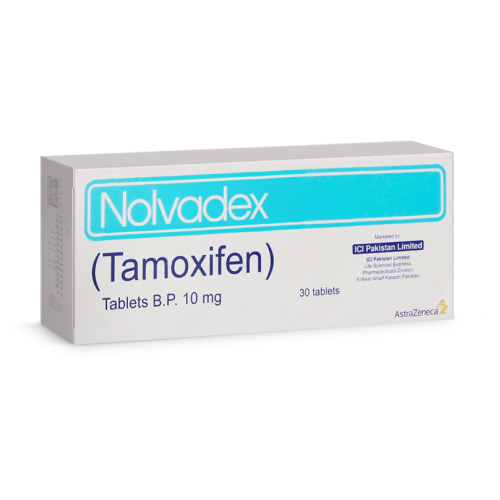
Nolvadex in Context: Your Treatment, Your Questions
Imagine you’re seated in an oncologist’s office, waiting for results that could change your life. The word “Nolvadex” comes up—maybe as a recommendation, maybe as one of several options, maybe as a name you’ve seen on patient forums filled with both gratitude and anxiety. What should you make of it?
Nolvadex (tamoxifen) is not just another cancer drug. Its reputation is as layered as its history: hailed as a breakthrough for hormone-sensitive breast cancer, scrutinized for its side effects, discussed at kitchen tables and in the pages of medical journals alike. For some, it’s a lifeline. For others, it’s a source of relentless hot flashes or a decision that never feels fully settled. In the United States, where every treatment pathway comes with its own maze of insurance policies, copays, and clinical guidelines, understanding what Nolvadex can—and cannot—do is more than a medical question. It’s a matter of taking control.
What Sets Nolvadex Apart in Breast Cancer Care?
Few medications for breast cancer have reshaped the field like Nolvadex. For decades, it has been the gold standard for premenopausal women with estrogen receptor-positive (ER+) breast cancers, and it’s still the go-to option in many cases where newer alternatives fall short or aren’t appropriate. But what really sets Nolvadex apart isn’t just its age or its evidence base—it’s the way it acts as a bridge, linking hormonal biology, long-term survival, and the deeply personal experience of cancer treatment.
- First-line for many, not for all: Nolvadex remains the first-choice hormonal therapy for many premenopausal women, especially when aromatase inhibitors aren’t an option. But for postmenopausal women, the picture shifts—other drugs may offer more benefit or fewer risks, depending on your health profile.
- Decades of data, but not without limits: The U.S. clinical guidelines reflect more than 40 years of data, showing that Nolvadex can reduce recurrence and improve survival in the right patients. Yet the studies that established its reputation didn’t include everyone—certain tumor subtypes, genetic mutations, or risk factors can change how Nolvadex performs for you.
- Balance of benefits and burdens: Unlike chemotherapy, Nolvadex is taken by mouth, often for five to ten years. The side effects are real—some predictable, some less so—and the daily reality of treatment is defined as much by what you feel as by what your labs show.
In short, Nolvadex is not “the breast cancer pill.” It’s a tool—powerful, proven, but only as effective as the match between your cancer’s biology and your body’s needs. If you’re being offered Nolvadex, it’s because your care team believes it can tilt the odds in your favor. But the details of that tilt—how steep, how sturdy, how much it will cost you in side effects or energy—are what matter most.
- Estrogen Receptor-Positive (ER+)
- Breast cancers that have cells with receptors for the hormone estrogen. These tumors often respond to treatments that block estrogen’s effects, such as Nolvadex.
How Nolvadex Works—and Why That Matters for You
Tamoxifen, the active ingredient in Nolvadex, doesn’t just block estrogen everywhere in the body. It competes for the same spot on breast cancer cells where estrogen would normally dock and send a “grow” signal. By blocking that interaction, Nolvadex starves hormone-sensitive cancer cells of their main fuel source—slowing or even stopping their growth. Unlike newer aromatase inhibitors, which lower estrogen levels across the board, Nolvadex selectively targets where the blockade matters most.
But here’s the nuance: Nolvadex acts differently in various tissues. In the breast, it’s an anti-estrogen. In the uterus and bones, it can mimic some estrogen effects, which is why it’s associated with both protection (like maintaining bone density in premenopausal women) and risks (like a small increase in uterine cancer and blood clots).
Timing matters. The greatest benefit comes when Nolvadex is started soon after surgery or completion of chemotherapy for early-stage breast cancer. For advanced or metastatic cases, it can slow progression, but its effectiveness depends on whether your cancer cells still rely on estrogen signals.
Comparing Your Options: Nolvadex vs. Other Breast Cancer Treatments
Choosing a breast cancer therapy is never just about what works in a study. It’s also about what works for you—your age, your menopause status, your risk of recurrence, your tolerance for certain side effects, and the specifics of your tumor.
| Attribute | Nolvadex (Tamoxifen) | Arimidex (Anastrozole) | Fareston (Toremifene) |
|---|---|---|---|
| Approved Uses | ER+ early, advanced & metastatic breast cancer; prevention for high-risk women | Postmenopausal ER+ breast cancer only | Metastatic ER+ breast cancer in postmenopausal women |
| Best Candidates | Premenopausal & postmenopausal ER+; some DCIS | Postmenopausal ER+ | Postmenopausal ER+ |
| Mechanism | Selective Estrogen Receptor Modulator (blocks estrogen in breast tissue) | Aromatase inhibitor (lowers estrogen production) | Selective Estrogen Receptor Modulator |
| Major Side Effects | Hot flashes, risk of blood clots, rare uterine cancer | Joint pain, bone loss, hot flashes | Similar to Tamoxifen; slightly different blood clot risk profile |
| Key Contraindications | History of blood clot, pregnancy, certain liver conditions | Severe liver disease, pregnancy, premenopausal women | Similar to Tamoxifen; avoid in QT prolongation |
| Prescription Status in U.S. | Prescription only | Prescription only | Prescription only |
| Typical Cost (with insurance) | Low to moderate | Moderate to high | Low to moderate |
| Monitoring Needs | Liver function, eye exams, gynecologic exams | Bone density, cholesterol, liver function | Liver function, gynecologic exams |
What does this mean for real patients? If you are a premenopausal woman, Nolvadex is usually the default first-line option unless a contraindication exists. Aromatase inhibitors like Arimidex are more effective for postmenopausal women but don’t work for those who still have significant ovarian function. Fareston is generally reserved for cases where Nolvadex is not tolerated or contraindicated. Each drug’s side-effect profile can sway the decision, but so can insurance coverage, availability, and your willingness to tolerate certain risks.
The Real World of Taking Nolvadex: What to Expect Day to Day
Your doctor hands you a prescription for Nolvadex. The next question is not, “What does the clinical trial say?”—it’s “What will this actually be like, every day?”
- Daily Routine: Nolvadex is usually taken once a day, with or without food. The routine is simple, but missing doses can reduce effectiveness—building it into a habit is essential for long-term success.
- Side Effects: Hot flashes, night sweats, and mood swings are common, but not universal. Most side effects appear in the first few weeks or months and may ease over time, but some linger for years.
- Monitoring: Expect regular blood work (liver function), eye exams, and—if you have a uterus—gynecologic checks. These aren’t just box-ticking; they’re designed to catch rare but serious issues before they become dangerous.
- Interactions: Many antidepressants and certain anticoagulants can interfere with tamoxifen’s effectiveness. Always review your full medication list—prescription, over-the-counter, and supplements—with your oncologist or pharmacist.
- What Patients Get Wrong: The most common mistake is stopping Nolvadex early because of persistent side effects. Talk to your oncology team first—dose adjustments, supportive treatments, or switching medications can often help.
Long-term, many women report adjusting to Nolvadex’s rhythm—side effects become predictable, and routines settle. But for some, the impact on sleep, mood, or sexual function is significant enough to ask about alternatives. This is not failure; it’s a sign you and your care team need to recalibrate together.
Which Side Effects Matter Most with Nolvadex—and When to Act
Hot flashes, vaginal dryness, and mood changes get the most attention, but the real stakes are in the rare but serious risks: blood clots, uterine cancer, vision changes, and stroke. Being prepared means knowing which side effects demand patience and which require immediate medical attention.
- Hot Flashes & Night Sweats: These affect most women and are usually uncomfortable rather than dangerous. Non-hormonal remedies (like certain antidepressants or lifestyle changes) can help, but always check for drug interactions.
- Blood Clots: Deep vein thrombosis (DVT) and pulmonary embolism (PE) are rare (1–2% per year), but serious. Sudden leg swelling, chest pain, or shortness of breath warrant immediate attention.
- Endometrial (Uterine) Cancer: Nolvadex slightly increases this risk, especially in women over 50. New or abnormal vaginal bleeding is a red flag—do not wait to call your doctor.
- Vision Changes: Tamoxifen can rarely cause cataracts or retinopathy; report any sudden changes to your vision.
- Other Issues: Fatigue, joint pain, or sexual dysfunction can impact quality of life. Adjustments are possible, but speak up if they get in the way of daily living.
| Side Effect | How Common? | When to Contact Your Doctor |
|---|---|---|
| Hot flashes | Very common (up to 80%) | If severe or interfere with daily life |
| Blood clots (DVT/PE) | Rare (1-2% per year) | Immediately if leg swelling, chest pain, or shortness of breath |
| Uterine cancer | Uncommon (<1% per year) | Any new or abnormal vaginal bleeding |
| Eye problems | Rare | Sudden changes in vision |
| Depression/mood changes | Common | If persistent or severe |
Most side effects can be managed, but rapid changes—especially involving bleeding, swelling, or breathing—are never “just part of treatment.” Don’t tough it out alone. U.S. oncologists are familiar with these risks and expect you to call quickly if they happen.
When NOT to Take Nolvadex: Warnings You Can’t Ignore
- You are pregnant or planning to become pregnant. Tamoxifen can cause birth defects and is absolutely contraindicated during pregnancy.
- You have a history of blood clots (DVT, PE, or stroke). The risk of recurrence can be dangerously high.
- You are allergic to tamoxifen or any of its components.
Relative contraindications (cases where caution is needed and alternatives may be better):
- Active liver disease: Tamoxifen is processed by the liver. Significant impairment can alter drug levels and increase risks.
- Concurrent use with certain antidepressants: Some drugs (notably fluoxetine, paroxetine, bupropion) can block the enzyme that activates tamoxifen in the body. Always review your full list with a pharmacist familiar with oncology.
- Unexplained vaginal bleeding: Before starting Nolvadex, abnormal bleeding needs investigation to rule out uterine pathology.
- Children and adolescents: Nolvadex is not standard in pediatric breast cancer and should only be used under strict specialist supervision.
Nolvadex in the United States: Access, Cost, and Your Rights
In the United States, Nolvadex is only available by prescription. Insurance coverage is usually robust for approved indications—adjuvant treatment of ER+ breast cancer and risk reduction in high-risk women—thanks to federal and private mandates. But the details of copays, prior authorizations, and pharmacy networks can feel arbitrary and infuriating.
Brand-name Nolvadex is less commonly dispensed today; most U.S. pharmacies stock generic tamoxifen, which is equally effective and typically much less expensive out of pocket. The FDA requires all generics to meet strict bioequivalence standards (FDA).
- Pharmacy Access: Any licensed pharmacy can dispense Nolvadex or its generic equivalent. Specialty pharmacies are rarely needed except for unusual dosing or insurance requirements.
- Mail-Order Options: Many insurance plans offer or require mail-order refills; this can save money but may introduce delays if paperwork isn’t up to date.
- Insurance Reimbursement: Coverage is robust for labeled uses. For off-label indications (like male breast cancer or prevention in certain genetic mutations), insurers may require additional documentation.
- Out-of-Pocket Cost: Typical monthly costs for generic tamoxifen range from $10 to $50 with insurance, and $30 to $200 without. Manufacturer coupons and assistance programs can reduce this further.
- Legal Protections: Under the Women’s Health and Cancer Rights Act, insurers must cover breast cancer treatments, including necessary medications, for eligible members.
When in doubt, ask your oncology nurse, social worker, or pharmacist to help you navigate these details. The U.S. system is complex, but few patients are truly without options for obtaining Nolvadex when medically appropriate.
Your Questions About Nolvadex: Answered
- Is Nolvadex always the first choice for breast cancer?
- No. Nolvadex is the first choice for many premenopausal women with ER+ breast cancers, but for postmenopausal women, aromatase inhibitors are often preferred. In some cases, your cancer’s biology or your own health issues may make another option better. Talk with your oncologist about why Nolvadex was recommended—or not—for you.
- How long will I need to take Nolvadex?
- Standard treatment duration is five years, but some patients (especially those at higher risk of recurrence) may be advised to extend to ten years. The decision depends on your cancer type, response to treatment, and side-effect tolerance. Regular check-ins with your oncology team help ensure you’re on the right track.
- Can I get Nolvadex over the counter or online?
- No. In the U.S., Nolvadex and generic tamoxifen are only available by prescription. Purchasing from unauthorized online sources is illegal and risky—quality and safety cannot be guaranteed. Stick to licensed U.S. pharmacies.
- What should I do if I miss a dose?
- If you forget a dose, take it as soon as you remember—unless it’s almost time for your next dose. Never double up. Missing doses occasionally is not ideal, but it’s better to resume your regular schedule than to “catch up” all at once.
- Are there foods, supplements, or other drugs that can affect Nolvadex?
- Yes. Grapefruit, St. John’s Wort, and certain antidepressants (like fluoxetine or paroxetine) can interfere with tamoxifen’s action. Always review your full medication and supplement list with your oncology pharmacist or doctor.
- What signs mean I should stop Nolvadex and call my doctor?
- Sudden leg swelling, chest pain, shortness of breath, or unexpected vaginal bleeding should prompt an urgent call. Routine side effects like mild hot flashes or fatigue can often be managed without stopping treatment.
- How do I talk to my doctor about switching from Nolvadex to something else?
- Be specific about what’s bothering you—side effects, costs, fears about long-term risks. Your oncologist can help weigh the trade-offs and may suggest supportive treatments, dose adjustments, or a switch to a different medication if appropriate.
👩⚕️ Doctor’s Perspective: “In my practice, the biggest misconception about Nolvadex is that all hormonal therapies are interchangeable. For some women, especially those who are premenopausal or who can’t tolerate aromatase inhibitors, Nolvadex is truly life-changing. But for others, it’s the side effect profile—hot flashes, mood swings—that ends up impacting their quality of life more than any medical risk. That’s why the most important conversations aren’t just about survival statistics. They’re about what matters most to each patient, day in and day out.”
Sources and References
- U.S. Food and Drug Administration (FDA)
- National Comprehensive Cancer Network (NCCN) Guidelines: Breast Cancer
- Tamoxifen: Questions and Answers, National Cancer Institute
- Tamoxifen: Mayo Clinic Drug Information
- Official Nolvadex Prescribing Information, AstraZeneca, 2023
- American Cancer Society: Tamoxifen for Breast Cancer
- Breastcancer.org: Tamoxifen
- PubMed