
- Home/
- Buy Antabuse Without Prescription in the United States Online
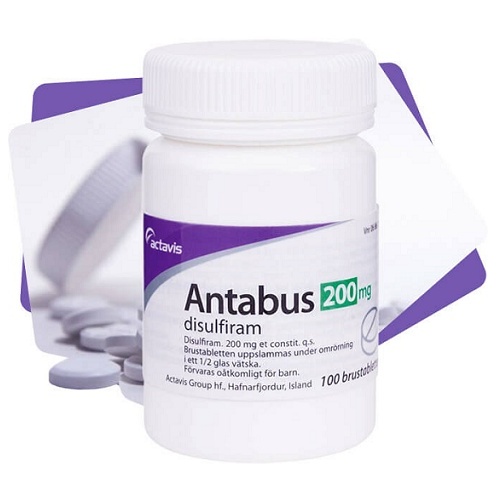
| Medication name | Antabuse |
|---|---|
| Main chemical | Disulfiram |
| Intended use | Alcohol Use Disorder (Alcohol Dependence) |
| Strengths on the market | 250 mg, 500 mg tablets |
| How quickly it takes effect after first dose | Within 1–2 hours after ingestion |
| Lasting period per dose | Effect may persist up to 1–2 weeks after discontinuation |
| Usual dosing schedule | Daily administration |
| Prescription needed in United States? | Yes, prescription required |
| Typical retail price in United States | $60–$150 for one month supply (varies by pharmacy and insurance) |
Antabuse for Alcohol Dependence: Guidance for United States
Antabuse, containing the active compound disulfiram, is a prescription medication used to support people with Alcohol Use Disorder (AUD) in the United States. Its primary role is to help individuals avoid relapse by making alcohol consumption produce unpleasant effects. Antabuse is legally available in the U.S. through pharmacies with a valid prescription, and its use is regulated by the U.S. Food and Drug Administration (FDA).
The Scope of the Problem: Alcohol Dependence in the United States
Alcohol dependence is a medical condition that affects millions of Americans, cutting across age, gender, and social background. According to the National Institute on Alcohol Abuse and Alcoholism (NIAAA), 2023, an estimated 28.8 million adults in the United States had Alcohol Use Disorder in the past year. These numbers confirm that seeking support for alcohol dependence is not rare—it’s a need shared by many, and effective treatments exist. The availability of approved therapies, including Antabuse, means this problem is not only widespread but also manageable with the right approach.
How Antabuse Works: Mechanism and Practical Effects
Antabuse operates by disrupting how the body processes alcohol. Specifically, disulfiram blocks an enzyme called aldehyde dehydrogenase, which is necessary to break down alcohol in the liver. When this enzyme is inhibited, drinking alcohol leads to a rapid buildup of a substance called acetaldehyde in the bloodstream.
- What does this mean for you? If you drink alcohol while taking Antabuse, you will quickly experience unpleasant symptoms such as flushing, nausea, vomiting, palpitations, and headache—commonly called the “disulfiram reaction.”
- How soon does this happen? The reaction can begin as soon as 10 minutes after drinking alcohol, and the intensity depends on the amount of alcohol consumed and how much disulfiram is in your system.
- What is the practical outcome? The goal is to create a strong deterrent; the expectation of these effects helps many people avoid drinking in the first place, making Antabuse most effective as a relapse prevention tool, not as a cure for cravings.
Disulfiram’s activity can last up to two weeks after stopping the medication, so the deterrent effect is present even if you miss a dose or are late taking it. Importantly, Antabuse does not reduce the desire to drink; it makes drinking physically unpleasant and risky.
Is Antabuse Right for You? Matching Treatment to Life Scenarios
| Situation | Antabuse Suitability | Reasoning |
|---|---|---|
| You have strong motivation to avoid alcohol and want a medication-based deterrent | Recommended | Antabuse can reinforce your commitment by making drinking physically unpleasant. |
| You have access to alcohol at home and have struggled with impulsive relapses | Often suitable | The immediate deterrent effect helps you resist temptation even if cravings occur unexpectedly. |
| You are unable to avoid all alcohol-containing products (foods, medications, toiletries) | May not be ideal | Because accidental exposure can trigger severe reactions, Antabuse may not be safe for your daily environment. |
| You have significant liver or heart disease, or are pregnant | Not suitable | Disulfiram can worsen liver conditions and is contraindicated in these medical situations. |
| You struggle with medication adherence or have cognitive impairment | Requires careful consideration | Missing doses or forgetting instructions can increase the risk of unintentional reactions and reduce effectiveness. |
These scenarios are not exhaustive. A discussion with your healthcare provider is essential to determine if Antabuse aligns with your specific medical and personal situation.
Using Antabuse in Everyday Life: Practical Guidance
- How to take: Antabuse is usually taken as a single daily tablet (250 mg to 500 mg), preferably in the morning. If you experience drowsiness, your doctor may recommend taking it in the evening.
- With or without food: Tablets can be taken with or without meals. Taking them after food may reduce stomach upset.
- Alcohol-free period before starting: You must be completely free of alcohol for at least 12 hours (often 24 hours) before the first dose, to avoid dangerous reactions.
- Products to avoid: Carefully read labels of all food, drinks, medicines, and personal care products. Even small amounts of alcohol in cough syrups, mouthwash, or sauces can trigger a reaction.
- If you miss a dose: Take it as soon as you remember, unless it is almost time for your next dose. Do not double up. Skipping doses reduces effectiveness, but the deterrent effect can persist for several days.
If you are unsure whether a product contains alcohol, do not use it without consulting your pharmacist or healthcare provider. If you accidentally consume alcohol and experience a reaction, seek medical help immediately—severe reactions can be life-threatening.
For patients who find daily medication challenging, some clinics offer supervised dosing to ensure adherence.
Who Should Not Take Antabuse: Contraindications Explained
- Severe liver disease: Disulfiram can worsen liver damage because it is processed by the liver and may increase liver enzymes.
- History of psychosis: Antabuse may trigger or exacerbate mental health symptoms, so it is not recommended for people with a current or recent history of severe psychiatric disorders.
- Severe heart disease: Because the disulfiram-alcohol reaction can cause stress on the heart, it is unsafe for those with heart failure or coronary artery disease.
- Hypersensitivity to disulfiram or thiuram derivatives: If you have ever had an allergic reaction to similar chemicals (used in some pesticides or rubber products), Antabuse should be avoided.
- Pregnancy and breastfeeding: Safety data are limited; Antabuse should not be used during pregnancy or while breastfeeding unless the benefits clearly outweigh the risks, and only under close medical supervision.
Always inform your healthcare provider about your full medical history before starting Antabuse. Only a qualified clinician can determine whether these risks apply to you.
Potential Side Effects and When to Seek Help
- Common side effects: Drowsiness, metallic or garlic-like taste, mild headache, and skin rash may occur. These are usually mild and often resolve as your body adjusts.
- Occasional effects: Acne, mild nerve discomfort (tingling or numbness in the limbs), changes in liver function tests.
- Rare but serious: Persistent vomiting, yellowing of the skin or eyes (signs of liver problems), severe abdominal pain, visual changes, or confusion.
If you experience difficulty breathing, chest pain, severe allergic reactions (such as swelling of the face or throat), or lose consciousness after taking Antabuse or consuming alcohol, call 911 immediately. For poison control or if you are unsure about the severity of your symptoms, you can also contact the American Association of Poison Control Centers (1-800-222-1222).
Most minor side effects improve on their own, but persistent or severe symptoms require medical review. Never attempt to treat severe reactions at home.
Medication Interactions: What to Watch For
- Metronidazole and similar antibiotics: Combining with Antabuse can cause confusion, psychosis, or severe nervous system reactions.
- Certain blood thinners (e.g., warfarin): Disulfiram can increase their effect, raising the risk of bleeding; frequent monitoring of blood clotting is advised.
- Anticonvulsants and antidepressants: Some medications for seizures or mood disorders may interact with Antabuse, affecting levels or side effects.
- Other alcohol-containing products: Even non-beverage sources (aftershaves, perfumes, topical medicines) can interact and trigger a disulfiram reaction.
Always provide a complete list of your medications and over-the-counter products to your healthcare provider before starting Antabuse. Adjustments or alternative therapies may be necessary.
Comparing Antabuse to Other Alcohol Dependence Treatments
| Medication | Main action | Best suited for | Limitations |
|---|---|---|---|
| Antabuse (Disulfiram) | Produces physical deterrent by causing unpleasant reaction if alcohol is consumed | Individuals highly motivated for abstinence; those seeking a strong external deterrent | Ineffective for those unable to avoid all alcohol sources; does not reduce cravings |
| Naltrexone | Reduces reward from alcohol; cuts cravings | People wanting to reduce heavy drinking or maintain abstinence; can be used while drinking | Should be avoided in severe liver disease; not a physical deterrent |
| Acamprosate | Restores brain balance to reduce craving and withdrawal symptoms | Individuals with stable abstinence, especially those with significant cravings | Requires three-times daily dosing; may cause diarrhea |
Each medication works differently. Antabuse is particularly effective when the main challenge is resisting the urge to take a first drink, and when a physical deterrent is desired. For those whose biggest struggle is managing persistent cravings, medications like naltrexone or acamprosate may be better choices. Your doctor will help you weigh the risks and benefits based on your health profile and daily environment.
Buying Antabuse in the United States: What You Will Actually Pay
| Cost item | Amount | Note |
|---|---|---|
| Doctor consultation (in-person or telemedicine) | $80–$250 | May be covered by insurance or sliding scale clinics |
| Prescription charge | $0–$25 | Some clinics include this in visit fee |
| Medication cost (Antabuse generic, 30 tablets 250 mg) | $60–$150 | Varies by pharmacy, insurance, and region |
| Delivery (mail-order pharmacy, standard) | $5–$20 | May be free with some insurance plans |
| Total | $145–$445 | Lowest cost: generic, insured, local pick-up; highest: uninsured, telemedicine, express delivery |
United States law requires a prescription for Antabuse. Some online pharmacies facilitate telemedicine consultations and ship the medication directly to your address; always verify that the pharmacy is licensed and follows FDA and state pharmacy board regulations.
If you have insurance, out-of-pocket costs may drop significantly. Assistance programs and sliding-scale clinics may also be available for those without coverage.
Final Clarifications: What If I Want to Stop Antabuse or Change My Plan?
If you decide to stop taking Antabuse, the deterrent effect can last up to 14 days after your last dose. During this window, consuming alcohol remains unsafe—even a small amount can provoke a reaction. It is crucial to inform your doctor in advance if you plan to discontinue, as stopping abruptly may increase the risk of relapse. Your healthcare provider will discuss transition strategies, which may involve tapering, switching to another medication, or increasing support temporarily.
No medication for alcohol dependence works in isolation. For most people, combining Antabuse with counseling or support groups increases the chance of long-term recovery. Open communication with your healthcare team is the safest route, especially before making any changes to your treatment plan.