
- Home/
- Buy Clomid at Low Price in the United States Online
Clomid (Clomiphene) in the United States: The Complete Patient Guide
Is a Prescription for Clomid Required in the United States?
Yes, Clomid (clomiphene citrate) is a prescription-only medication in the United States. It cannot legally be purchased without a valid prescription from a licensed healthcare provider. Selling or obtaining Clomid without a prescription is illegal and may pose serious health risks, including exposure to counterfeit drugs. The U.S. Food and Drug Administration (FDA) directly regulates the sale, prescription, and dispensing of Clomid.
Key Facts at a Glance
- Active Ingredient: Clomiphene citrate
- Main Use: Treatment of ovulatory dysfunction in women with infertility
- Prescription Status in U.S.: Prescription-only (Rx)
- Regulatory Authority: FDA (U.S. Food and Drug Administration)
- Typical Dosage: 50 mg once daily for 5 days per cycle
- Onset of Action: Ovulation typically induced within 5–10 days after last dose
- Main Contraindications: Liver disease, abnormal uterine bleeding of unknown cause, ovarian cysts unrelated to polycystic ovary syndrome, pregnancy
- Common Side Effects: Hot flashes, abdominal discomfort, mood changes
- Availability: Brand-name and several FDA-approved generics
- Insurance Coverage: Often covered, but varies with plan and indication
How Does Clomid Work in the Body?
| Step | Description |
|---|---|
| 1. Receptor Binding | Clomiphene binds to estrogen receptors in the hypothalamus, a key brain center for hormonal regulation. |
| 2. Blocking Feedback | This binding blocks the feedback signal from natural estrogen, tricking the body into sensing “low estrogen.” |
| 3. Hormone Surge | The hypothalamus signals the pituitary gland to release more gonadotropins—follicle-stimulating hormone (FSH) and luteinizing hormone (LH). |
| 4. Ovulation Stimulation | Increased FSH and LH drive ovarian follicle development, leading to ovulation in women with certain types of infertility. |
In plain English: Clomid acts as a “hormonal amplifier.” By blocking estrogen receptors in the brain, it causes your body to release more of the hormones that stimulate ovulation. But—this only works if your ovaries can still respond; it does not induce ovulation in women with ovarian failure.
Myth vs Reality: Myth: Clomid works instantly or for every cause of infertility. Reality: Clomid is effective only when the ovaries are functional and the issue is ovulation-related—other causes of infertility require different therapies.
Recent Evidence: A 2022 randomized clinical trial (N=432) showed 72% of women with anovulatory infertility ovulated after a single 5-day course of clomiphene.
Source: see References
Instructions: How to Take Clomid Safely
- Initial Dose: Most commonly, 50 mg (one tablet) daily for five days, starting on day 3, 4, or 5 of your menstrual cycle.
- Maximum Dose: Do not exceed 100 mg daily. Higher doses have not shown greater efficacy and increase side effect risk.
- Course Duration: Treatment is typically limited to 3–6 cycles. Prolonged use is not recommended due to risk of ovarian hyperstimulation and other adverse effects.
- Monitoring: Ovulation should be confirmed (e.g., via basal body temperature, luteinizing hormone testing, or ultrasound) to assess response.
- Missed Dose: If you miss a dose, do not double up. Take the next dose as scheduled and consult your provider if multiple doses are missed.
- Tablet Splitting: Clomid tablets are not scored. Splitting is not recommended unless instructed by your provider.
Bottom line: Never self-adjust your dose. Only a fertility specialist can determine your optimal regimen, especially if you have underlying medical conditions.
Clomid, Food, Alcohol, and Lifestyle: What’s Safe?
- Should Clomid be taken with food?
- Clomid can be taken with or without food. Taking it with food may reduce stomach upset for some people.
- Does fatty food affect absorption?
- No significant effect has been documented on Clomid absorption with fatty meals.
- Is alcohol safe with Clomid?
- It is best to avoid alcohol while taking Clomid. Alcohol may increase the risk of mood changes and may affect liver metabolism of the drug.
- Can I drink grapefruit juice with Clomid?
- No evidence suggests a significant interaction between grapefruit juice and Clomid, but caution is advised as grapefruit can affect some medications.
- Should I change my exercise or activity level?
- Clomid does not require changes in activity. However, if you experience vision changes or dizziness, avoid driving or operating machinery.
What it can do: Clomid is not affected by most foods.
What it cannot do: It will not overcome poor ovarian reserve or mechanical infertility—lifestyle changes or alternative therapies may be needed.
Who Should Not Use Clomid? Absolute and Relative Contraindications
Expert Commentary: “Clomiphene is not a one-size-fits-all solution. Ruling out contraindications before prescribing is critical for patient safety.” – Dr. Jamie Rivers, OB/GYN, New York, 2025
Absolute Contraindications (Never use Clomid):
- Pregnancy (Category X—teratogenic risk)
- Pre-existing liver disease or abnormal liver function tests
- Unexplained abnormal uterine bleeding
- Ovarian cysts not related to polycystic ovary syndrome
- Uncontrolled thyroid or adrenal dysfunction
- Known allergy to clomiphene or its excipients
Relative Contraindications (Use only with caution and specialist supervision):
- History of hormone-sensitive tumors (breast, uterine, ovarian cancer)
- Severe depression or psychiatric illness
- Visual disorders (clomiphene may worsen or rarely cause irreversible vision symptoms)
- Polycystic ovary syndrome with high risk of ovarian hyperstimulation
- Chronic liver or kidney impairment (dose adjustments may be required)
Why? Clomid acts on estrogen pathways and can worsen or unmask certain conditions. Liver metabolism is central to its elimination, making hepatic impairment especially concerning.
What Side Effects Are Most Common With Clomid?
| Frequency | Side Effect | Explanation |
|---|---|---|
| Very Common (>1 in 10) |
Hot flashes | Due to estrogen receptor blockade, similar to menopause symptoms. |
| Common (1 in 100–10) |
Abdominal discomfort, bloating | Ovarian stimulation leads to swelling, mild pain. |
| Common | Mood swings, irritability, insomnia | Likely due to hormonal fluctuations and CNS effects. |
| Uncommon (1 in 1,000–100) |
Visual disturbances (blurred vision, spots) | Usually reversible, but prompt discontinuation is required. |
| Rare ( | Ovarian hyperstimulation syndrome (OHSS), multiple pregnancies | OHSS can be life-threatening; twin or triplet pregnancies are 7–10% more likely. |
| Very Rare | Thromboembolic events, severe allergic reaction | Extremely uncommon but serious. |
What to do? If you experience vision changes, severe abdominal pain, chest pain, or shortness of breath, stop the medication and seek immediate medical attention.
Clomid vs Alternatives: Efficacy, Cost, and Profiles
| Criteria | Clomid (Clomiphene) | Letrozole (Femara) | Gonadotropins (Injectables) |
|---|---|---|---|
| Mechanism | Estrogen receptor modulator (oral) | Aromatase inhibitor (oral) | Direct FSH/LH stimulation (injection) |
| Onset of Ovulation | 5–10 days after last dose | 5–10 days after last dose | 3–7 days after start |
| Success (Ovulation) | 70–80% (in eligible patients) | 60–80% (similar efficacy) | 85–95% (in eligible patients) |
| Risk of Multiples | 7–10% (twins/triplets) | ~4% | 20–30% |
| Common Side Effects | Hot flashes, mood changes, ovarian cysts | Fatigue, dizziness, headache | OHSS, injections site reactions |
| Cost (per cycle) | $20–$50 (generic); $60–$150 (brand) | $30–$70 | $700–$2,000 |
| FDA Approval | Yes | Off-label for ovulation induction | Yes |
Summary: Clomid remains a first-line option for ovulatory infertility due to its oral administration, cost, and efficacy. However, letrozole is increasingly used, especially in women with polycystic ovary syndrome, due to a lower risk of multiple pregnancies. Injectable gonadotropins are reserved for cases where oral agents fail.
Clomid Key Characteristics Table
| Parameter | Value |
|---|---|
| Dosage Form | Oral tablet (50 mg standard) |
| Duration of Action | Ovulatory cycle effect; no daily effect after 5-day course |
| Metabolism | Primarily hepatic (liver) |
| Elimination Half-life | 5–7 days (can vary by patient) |
| Insurance Coverage | Varies by plan; check with your provider |
| Brand/Generics | Yes, multiple FDA-approved generics available |
| Controlled Substance | No |
How to Legally Obtain Clomid in the United States (Step-by-Step)
- Consultation: Schedule an appointment with a qualified healthcare provider—preferably a reproductive endocrinologist or OB/GYN specializing in female infertility. Telehealth visits may be available in most states.
- Diagnostic Evaluation: Undergo a complete infertility workup. This may include blood tests, ultrasounds, and medical history review to confirm ovulatory dysfunction.
- Prescription Issuance: If eligible, your provider will issue a prescription for Clomid. In the U.S., only a licensed healthcare provider may prescribe.
- Pharmacy Fulfillment: Take your prescription to a licensed pharmacy—either local or verified online (e.g., through pharmacy chains with online services).
- Insurance/Payment: Clomid is often covered by insurance for approved indications; check your plan. Out-of-pocket costs for generics typically range from $20–$50 per cycle.
- Follow-Up: Maintain regular contact with your provider for monitoring, side effect reporting, and dose adjustments.
Note: Never attempt to import Clomid from overseas websites, as you risk counterfeit products and customs seizure.
Legal & Safety Guidance: Avoiding Counterfeit and Unsafe Sources
- U.S. Regulatory Authority: Clomid may only be dispensed by licensed U.S. pharmacies holding valid state and FDA registrations.
- Online Pharmacies: Look for .pharmacy domain or FDA guidance on safe online purchasing. Do not use websites that sell without a prescription.
-
Risks of Illegal Purchase:
- Receiving counterfeit, expired, or contaminated products
- Legal penalties, including possible criminal prosecution
- No medical supervision or safety net
-
Signs of a Legitimate U.S. Pharmacy:
- Requires prescription for all prescription medications
- Displays a valid pharmacy license verification link (state board of pharmacy)
- Contact information with a U.S. address and licensed pharmacist available for questions
- Insurance Reimbursement: Many insurers reimburse Clomid costs for FDA-approved indications; always keep receipts and consult your provider regarding documentation.
How to Identify Counterfeit Clomid
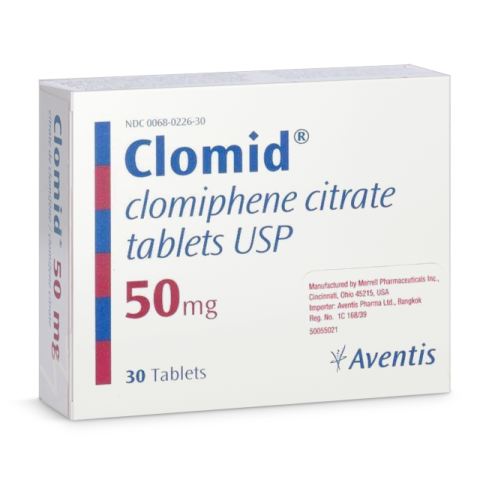
- Packaging: Original Clomid (brand-name) is supplied in blister packs with the manufacturer’s logo (Sanofi/Aventis or authorized generic producer), batch number, and expiration date.
- Tablet Appearance: White, round, with “CLOMID” and the dosage imprinted. No unusual colors or markings.
- Verification Features: Many U.S. generics include QR codes or holographic seals; check for tamper-evident packaging.
- Price Red Flag: If the price is “too good to be true,” especially from unknown online sources, it may be counterfeit.
- Generics: FDA-approved generics are safe and have distinct manufacturer branding, but always confirm the pharmacy’s legitimacy before purchase.
What to do if in doubt? Bring the package to your pharmacist or provider for verification.
Clomid Compatibility With Other Medications
| Product Type | Can Be Combined? | Consequences/Risk |
|---|---|---|
| Oral contraceptives | No | Oral contraceptives block Clomid’s action—never use together. |
| Metformin | Yes | Often used together for PCOS; monitor for side effects. |
| Alcohol | Not recommended | May worsen mood and liver side effects. |
| Warfarin (blood thinner) | Caution | Monitor bleeding risk; rare interactions reported. |
| Herbal supplements | Unknown | Potential for unpredictable interactions; avoid without doctor review. |
Always inform your doctor of all medicines and supplements before starting Clomid.
Clomid Metabolism and Elimination: What Patients Should Know
Clomid is metabolized primarily in the liver. Its half-life varies—averaging 5–7 days, but traces may persist for up to a month. It is eliminated through both the liver and feces, with minimal renal involvement.
- Implications: People with liver impairment may need alternative treatments.
- Driving/Machinery: Clomid may cause visual disturbances or dizziness. If these occur, avoid driving or hazardous work until symptoms resolve.
- Fertility Impact: Clomid is a fertility-inducing agent; contraceptives are not to be used concurrently unless specifically advised for cycle regulation.
Bottom line: The drug’s effects outlast the last tablet; always complete follow-up as ovulation may occur days later.
Special Populations: Who Needs Extra Caution?
- Women with Polycystic Ovary Syndrome (PCOS): Clomid is commonly used first-line. However, risk of ovarian hyperstimulation syndrome (OHSS) is higher. Close monitoring required.
- Obese Patients: Higher dose may sometimes be needed, but always under strict medical supervision.
- Chronic Liver Disease: Not recommended due to impaired metabolism and increased side effect risk.
- Older Women: Lower success rate after age 40; alternative methods may be recommended.
- History of Mood Disorders: Clomid may exacerbate anxiety or depression—discuss with your doctor prior to use.
Children/Men: Clomid is not FDA-approved for children or for male infertility in the U.S., though off-label use in men is being studied.
Original vs Generic Clomid: What’s the Difference?
Comparison Table: Original vs GenericAdvantage: Generics are less expensive but must be filled at a licensed pharmacy to ensure safety and efficacy.
Feature Brand-Name Clomid FDA-Approved Generic Active Ingredient Clomiphene citrate Clomiphene citrate Excipients (inactive ingredients) Proprietary blend; low allergy risk Varies by manufacturer; always check for allergies Appearance Imprinted “CLOMID”, consistent shape/color May differ in color, shape, imprint Cost $60–$150 per cycle $20–$50 per cycle Effectiveness Clinically equivalent Clinically equivalent (FDA requires bioequivalence)
What are excipients? These are inactive filler ingredients. If you have known allergies (e.g., to dyes or lactose), check with your pharmacist before switching brands.
What to Do in Case of Clomid Overdose
- Stop taking Clomid immediately.
- Call Poison Control at 1-800-222-1222 or seek emergency care.
- Provide information: Clearly state the amount and timing of the overdose, and bring the medication packaging with you.
- Follow all instructions: Do not induce vomiting unless specifically told by medical staff.
- Monitor for symptoms: Severe nausea, vomiting, abdominal pain, blurry vision, or shortness of breath warrant immediate attention.
Note: No specific antidote for clomiphene exists; treatment is supportive.
Psychological and Emotional Support for Female Infertility
Facing infertility is common and can be emotionally taxing. You are not alone—approximately 10–15% of couples in the United States face similar challenges. Support groups, qualified therapists, and honest discussions with your partner can help ease the journey. If you are feeling overwhelmed, ask your provider for a referral to a mental health professional specializing in fertility issues.
Frequently Asked Questions About Clomid
- Can Clomid be purchased online without a prescription in the U.S.?
- No. It’s illegal and dangerous to obtain Clomid without a valid U.S. prescription.
- Can Clomid be used for more than six cycles?
- Prolonged use is not recommended due to lack of additional benefit and increased risk of side effects.
- Does Clomid always result in pregnancy?
- No. While ovulation is induced in most eligible patients, pregnancy rates per cycle are around 15–20%.
- What should I do if Clomid does not work?
- Consult your fertility specialist to discuss alternative treatments and further evaluation.
- Is Clomid covered by insurance?
- Coverage varies; many plans cover Clomid for FDA-approved uses. Check with your insurer.
- Can Clomid cause multiple births?
- Yes, the risk for twins or triplets is higher (up to 10%) compared to natural conception.
- What happens if I miss a dose?
- Do not double up; take the next dose as scheduled. Inform your doctor if you miss more than one dose.
- Is generic clomiphene as effective as brand-name Clomid?
- Yes. FDA-approved generics are clinically equivalent to the brand.
- Does Clomid affect future fertility?
- When used as directed, Clomid does not reduce future fertility.
References
- U.S. Food and Drug Administration (FDA). Clomiphene Citrate Label. [Accessed June 2026] https://www.accessdata.fda.gov/drugsatfda_docs/label/2006/017839s036lbl.pdf
- Practice Committee of the American Society for Reproductive Medicine. “Use of clomiphene citrate in the treatment of infertility.” Fertility and Sterility, 2024. ASRM Guidelines
- Legro RS, et al. “Letrozole versus Clomiphene for Infertility in the Polycystic Ovary Syndrome.” New England Journal of Medicine, 2023. NEJM
- Centers for Disease Control and Prevention. “Infertility Statistics.” [Accessed June 2026] CDC Infertility Data
- National Institute for Health and Care Excellence (NICE). “Fertility Problems: Assessment and Treatment.” [Accessed 2026] NICE Fertility Guidelines
- National Association of Boards of Pharmacy. “Safe Online Pharmacies.” [Accessed June 2026] NABP .pharmacy