

- Home/
- Buy Ventolin Inhaler in Online Pharmacy in the United States
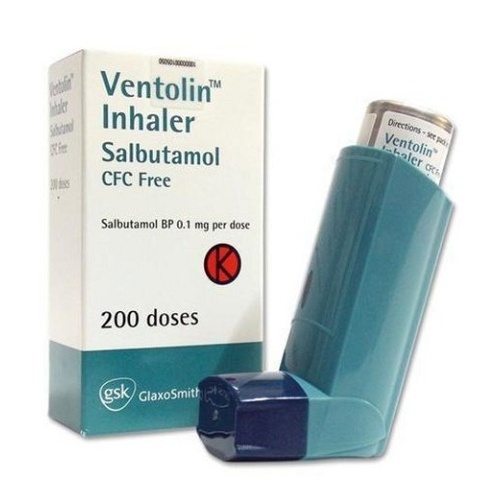
The “Ventolin Moment”: Why Patients Ask About Ventolin Inhaler Right Now
It’s midnight. A parent sits awake, listening for the next wheeze from their child’s room. A college athlete, out for a run, feels the familiar tightness return. Or maybe you’re holding an inhaler, thumb hovering over the blue actuator, wondering: Is it safe to need this so often? Will it really work—this time?
The “Ventolin moment” isn’t theoretical. In the United States, over 25 million people live with asthma, and for many, Ventolin Inhaler (with its active ingredient, salbutamol) is the first, fastest option for relief.1 Unlike controller medications that work silently in the background, Ventolin demands attention—because when you reach for it, you’re not planning for prevention, you’re fighting for now.
“No other asthma medication generates as much urgency—or as much uncertainty from patients—as Ventolin. It’s the ‘break glass in case of emergency’ tool, but also the one most likely to be misunderstood or misused.”
— Dr. N. Reynolds, Board-Certified Pulmonologist (Medical Reviewer)
Patients don’t ask about Ventolin because they’re curious. They ask because they’re anxious: How many puffs is too many? Does needing it mean my asthma’s out of control? Will it stop working one day? And why do some people seem to graduate from it, while others never do?
This article is for that moment: when you’re deciding if Ventolin fits your needs, what to ask your doctor, and how to make it work for you—not against you.
What Happens When You Take Ventolin Inhaler—And What Doesn’t
Take a deep breath, press down, and inhale: within minutes, the tightness in your chest eases. That’s the promise of Ventolin Inhaler, powered by salbutamol. But the relief is temporary. Ventolin is not a fix for asthma itself; it is a rapid-acting bronchodilator, meaning it “opens” the airways for a short time, usually 4–6 hours.3
- What Ventolin does: Relieves acute wheezing, shortness of breath, and chest tightness (especially after triggers like exercise, allergens, or respiratory infections).
- What Ventolin doesn’t do: Prevent inflammation or future attacks, treat underlying airway sensitivity, or replace controller medications like inhaled corticosteroids.
- What you might feel: Relief within 1–5 minutes, but sometimes a mild jitteriness or mild heart racing—effects that usually pass quickly.
Many patients misunderstand this: Ventolin treats symptoms, but it doesn’t “treat” asthma itself. If you need it increasingly often, that’s your body’s way of asking for a different approach—not just more puffs.
- Rescue Inhaler
- A fast-acting inhaler used to relieve (not prevent) sudden asthma symptoms. Ventolin is a rescue inhaler.
Ventolin Inhaler vs. the Competition: What Sets It Apart?
In the crowded landscape of asthma inhalers, Ventolin Inhaler (salbutamol, also known in some countries as albuterol) remains the “go-to” in American practice. But it’s not the only short-acting bronchodilator available, and it competes with both branded and generic products. How does it stack up—clinically and practically?
| Attribute | Ventolin Inhaler (Salbutamol) | ProAir HFA (Albuterol Sulfate) | Xopenex HFA (Levalbuterol) |
|---|---|---|---|
| Active Ingredient | Salbutamol (Albuterol) | Albuterol Sulfate | Levalbuterol |
| Onset of Relief | 1–5 minutes | 1–5 minutes | 3–6 minutes |
| Duration of Action | 4–6 hours | 4–6 hours | 4–6 hours |
| Common Side Effects | Jitteriness, fast heartbeat, headache | Jitteriness, tremor, headache | Less jitteriness, more expensive |
| Brand vs. Generic | Brand + generics available | Brand + generics available | Brand only |
| Prescription Required? | Yes | Yes | Yes |
| Typical Out-of-Pocket Cost* | $30–$70/inhaler (widely variable) | $30–$70/inhaler | $60–$120/inhaler |
Interpreting the Table: For most patients, Ventolin and ProAir are functionally interchangeable—they work equally fast, last as long, and have similar side effect profiles. Xopenex, while sometimes touted as “gentler,” is rarely prescribed first-line due to cost and only modest differences in tolerability, mostly relevant for patients who experience troublesome side effects on standard albuterol.4
Everyday Use: Getting Ventolin Inhaler Right (and Wrong)
Most Americans pick up their Ventolin prescription from the pharmacy, assemble the blue canister and plastic actuator, and never receive a live demonstration. Yet studies show that up to 90% of patients use their inhaler incorrectly at some point—blunting its effectiveness and exposing them to more side effects.5
- Shake the inhaler before every use. Skipping this can make your dosage unpredictable.
- Exhale fully, then seal your lips around the mouthpiece. Don’t rush this step.
- Press down and inhale slowly at the same time. This “hand-breath coordination” is where most people slip.
- Hold your breath for up to 10 seconds. This gives the medicine time to settle in the lungs.
- Wait at least 30 seconds before a second puff. This ensures optimal absorption.
Spacers (holding chambers) make correct technique far easier and are recommended for most children and many adults. Yet they are rarely offered in U.S. pharmacies unless you ask directly.
- Spacer
- An add-on device that attaches to your inhaler, making it easier to inhale the medicine fully into the lungs.
If you’re not sure about your technique, ask your provider or pharmacist to watch you use your inhaler. Most errors are fixable in a single demonstration.
Which Side Effects Matter Most with Ventolin Inhaler—And When to Act
Side effects with Ventolin Inhaler are as familiar as its blue casing. Most are mild, but some signal it’s time to call your doctor—especially if they appear suddenly or get worse with each use.
- Jitteriness, tremor, or mild hand shaking: 1 in 4 adults will notice this, especially with higher doses or if inhaled rapidly.
- Increased heart rate: Occurs in up to 15% of users, more noticeable if you’re anxious or have heart disease.
- Headache or dry mouth: Uncomfortable but usually short-lived.
- Serious allergic reactions (rare): Signs include new rash, swelling of lips or tongue, or sudden difficulty breathing not responding to Ventolin. Call 911 immediately.
| Side Effect | Frequency | When to Contact Doctor |
|---|---|---|
| Shakiness/tremor | Common (20–25%) | If severe, persistent, or interfering with daily life |
| Increased heart rate | Occasional (10–15%) | If you notice palpitations, chest pain, or history of heart disease |
| Headache | Occasional (10–20%) | If severe or persistent |
| Nausea, dry mouth | Rare (<5%) | If ongoing with every use |
| Serious allergic reaction | Very rare (<0.1%) | Immediately (call 911) |
If any new symptom appears after starting Ventolin—or if a familiar side effect suddenly worsens—don’t just “wait and see.” Asthma can change quickly, and your doctor may need to adjust your plan.
When Not to Take Ventolin (and What Your Doctor Looks For Before Prescribing)
- Allergy to salbutamol/albuterol: Absolute contraindication—tell your provider if you have ever had a reaction to this or similar inhalers.
- Current severe cardiac arrhythmia or unstable heart disease: Relative contraindication—Ventolin may worsen heart rhythm issues; close monitoring is essential.
- History of paradoxical bronchospasm: In rare cases, Ventolin can worsen breathing; stop immediately if this occurs and seek emergency care.
- Hyperthyroidism (overactive thyroid): May increase sensitivity to side effects.
- Current use of certain drugs: Beta-blockers reduce Ventolin’s effectiveness; some antidepressants can boost side effects. List all your medications for your doctor.
Salbutamol Under the Hood: Understanding the Mechanism and Why It Matters
Every inhaler delivers a compound. Salbutamol, the active ingredient in Ventolin, is a “selective beta-2 agonist.” That means it targets receptors in the airway’s smooth muscle, relaxing them so the bronchioles open wide. Relief is felt fast because the drug bypasses the bloodstream, acting right at the site of the problem.
- Beta-2 Agonist
- A medication that stimulates beta-2 receptors in the lungs, causing airway smooth muscle to relax and open.
Most alternatives—like levalbuterol (Xopenex) or ipratropium—work through similar but not identical pathways. For most patients, salbutamol’s speed and reliability are unsurpassed. But in rare cases—such as those with notable side effects or coexisting heart arrhythmias—your doctor might consider an alternative.
In real-world practice, the difference between salbutamol and its competitors often comes down to cost, insurance coverage, and your personal response—not major differences in performance.
Do Alternatives Outperform Ventolin? The Clinical Landscape in the United States
With so many inhalers on the market, is there ever a reason to skip Ventolin in favor of something else? The answer depends on your asthma severity, side effect profile, insurance, and personal history. Let’s compare.
| Attribute | Ventolin Inhaler (Salbutamol) | Controller Inhaler (Fluticasone, Budesonide, etc.) | Combination Inhaler (e.g., Advair, Symbicort) |
|---|---|---|---|
| Primary Role | Rescue, symptom relief | Long-term control, prevention | Control + rescue (in some regimens) |
| Onset of Effect | 1–5 minutes | Several hours to days | Controller: days; Rescue component: minutes |
| Frequency of Use | As needed for symptoms | Daily, even when well | Daily, sometimes as-needed if SMART regimen |
| Prescription Requirement (US) | Yes | Yes | Yes |
| Common Cost (no insurance) | $30–$70 per inhaler | $60–$300/month | $120–$400/month |
Interpretation: Ventolin Inhaler is not a controller. If you need it more than twice a week for symptoms, guidelines recommend adding a controller inhaler (like fluticasone or a combination product). Only a small subset of patients can manage their asthma on Ventolin alone for the long term—and even then, regular check-ins are essential.6
Access, Pricing, and Pharmacy Rules: How (and Where) to Get Ventolin Inhaler in the United States
In the United States, Ventolin Inhaler is a prescription-only medication. You cannot legally purchase it over the counter, online, or from another country without a valid U.S. prescription. Here’s how access works in practice:
- Prescription Required: Only a licensed provider (physician, nurse practitioner, or physician assistant) can prescribe Ventolin.
- Dispensing: All retail pharmacies stock Ventolin Inhaler. Many offer automatic refills or home delivery for recurring prescriptions.
- Insurance Coverage: Most private and public plans (including Medicaid, Medicare Part D) cover Ventolin, with co-pay ranging from $0–$40 per inhaler. Coverage of generics is common and can reduce cost.
- Discount Programs: Manufacturer coupons, pharmacy savings cards, and patient assistance programs may lower your out-of-pocket expense.
- Telehealth: Many telemedicine providers can prescribe Ventolin after a virtual asthma consultation. Always use licensed, reputable platforms.
Prices vary widely. If cost is a barrier, ask your provider about generics or assistance programs before leaving the office.
What to Do If Ventolin Inhaler Isn’t Working (or Is Needed Too Often)
Asthma is unpredictable. Some weeks, your Ventolin sits untouched. Other times, you reach for it daily. But if you notice you’re using more than two doses per week (other than for exercise), or if symptoms persist despite proper technique, this is more than an inconvenience—it’s a clinical red flag.7
- Double-check your technique. Even experienced patients make errors. A demonstration with your provider or pharmacist often reveals simple fixes.
- Review your asthma plan. Frequent Ventolin use usually means your controller medication (if prescribed) needs adjustment.
- Log your symptoms and usage. Bring this log to your next appointment. It helps your doctor see patterns and tailor your treatment.
- If symptoms worsen despite correct use, don’t “wait it out.” Asthma can escalate fast. Emergency care is sometimes needed.
- Asthma Action Plan
- A written guide developed with your provider outlining what to do when symptoms change and when to escalate care.
Ventolin Inhaler: Real Patient Questions Answered
- How many puffs of Ventolin Inhaler can I take in one day?
- The standard recommendation is 1–2 puffs every 4–6 hours as needed, with a maximum of 8 puffs per 24 hours for adults. Using more than this may signal poor asthma control or risk of side effects. Always follow your doctor’s personalized plan.
- Is it safe to use Ventolin before exercise?
- Yes—many patients use 1–2 puffs 15–30 minutes before activity to prevent exercise-induced symptoms. If you consistently need Ventolin before every workout, discuss long-term control options with your physician.
- What should I do if I feel shaky or my heart races after taking Ventolin?
- Mild shakiness or a faster heartbeat are common and typically pass within an hour. If symptoms are severe, persistent, or you feel unwell (especially with chest pain or dizziness), contact your provider.
- Why does my inhaler seem to run out so quickly?
- Frequent use, missed doses, or improper priming can all reduce the number of available puffs. Some inhalers have a dose counter—if yours does not, track usage carefully and ask your pharmacist how to check for remaining medication.
- Can I substitute another inhaler if I run out of Ventolin?
- Never substitute another inhaler (even if it looks similar) without medical advice. Not all inhalers are interchangeable, and some contain different medications or dosages. In an emergency, seek care at the nearest urgent care or ER.
- Do I need a spacer for my Ventolin Inhaler?
- While not strictly required, spacers improve medication delivery and reduce side effects, especially for children or adults with coordination difficulties. Ask your provider if a spacer would help your technique.
- Is Ventolin Inhaler safe in pregnancy or breastfeeding?
- Most guidelines consider salbutamol safe for use during pregnancy and breastfeeding when used as prescribed. Always discuss risks and benefits with your provider, as asthma control is vital for both maternal and fetal health.
- Is there a generic version of Ventolin available in the United States?
- Yes, generic albuterol inhalers are widely available and are often preferred by insurance plans due to lower cost. Ask your pharmacy about available options and any differences in device design or instructions.
References
- Asthma Data, Statistics, and Surveillance. Centers for Disease Control and Prevention.
- U.S. Food and Drug Administration (FDA)
- Asthma – National Heart, Lung, and Blood Institute
- Global Initiative for Asthma (GINA) 2023 Guidelines. GINA, 2023.
- Asthma medications: Know your options. Mayo Clinic.
- Ventolin Inhaler U.S. Prescribing Information. GlaxoSmithKline.
- Drug Information Portal. U.S. National Library of Medicine, National Institutes of Health.
- Asthma Care Quick Reference. National Asthma Education and Prevention Program (NAEPP), NIH, 2020.