

- Home/
- Buy Lasix Online in the United States Easily and Securely
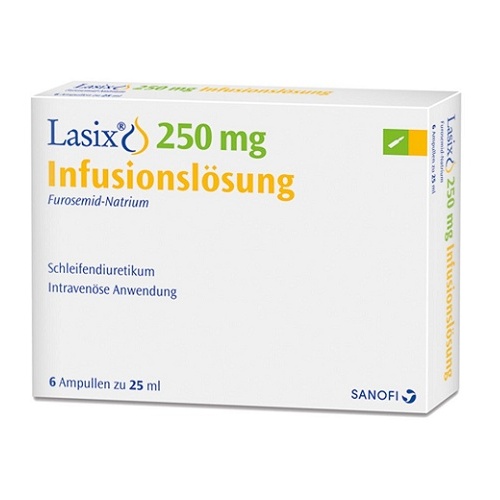
| Medication Name | Lasix |
|---|---|
| Main Active Compound | Furosemide |
| Primary Use | Management of fluid retention (edema) |
| Strengths Available | 20 mg, 40 mg, 80 mg oral tablets; injectable forms |
| How Fast It Begins to Work | Oral: 30–60 minutes; IV: 5 minutes |
| Effect Duration After One Dose | 6–8 hours (oral); 2 hours (IV) |
| How to Take | Once or twice daily, as prescribed |
| Prescription Status in United States | Requires a valid prescription |
| Typical U.S. Price Range | $10–$30 for 30 tablets (generic furosemide) |
Lasix for Edema: Clarity and Guidance in United States
Lasix (furosemide) is a well-established prescription medication approved in the United States for reducing excess fluid buildup caused by various medical conditions. It is recognized for its effectiveness in treating edema, and is legally available through pharmacies under the oversight of the U.S. Food and Drug Administration (FDA). Understanding how and when Lasix might help you is the first step toward managing your symptoms with confidence.
Edema Is Common and Manageable: You Are Not Alone
Living with swelling from fluid retention can feel isolating, but it is far from rare. According to the Centers for Disease Control and Prevention (CDC), 2020, millions of adults in the U.S. experience edema related to conditions such as heart failure, kidney disease, or even certain medications. The American Heart Association reports that more than 6 million Americans have heart failure—a leading cause of chronic fluid buildup. Edema is a frequent symptom in hospital admissions for both cardiac and kidney-related illnesses. While the causes vary, the presence of swelling is a recognized, understandable, and—importantly—treatable medical issue. Effective therapies exist, and individualized treatment can greatly improve quality of life.
How Lasix Addresses Fluid Retention: The Science and the Impact
- Physiological mechanism: Lasix acts as a “loop diuretic,” meaning it targets a specific segment of the kidney’s filtration system known as the loop of Henle. By blocking the reabsorption of sodium and chloride here, Lasix increases the amount of salt and water excreted in urine. This process is more potent and rapid than with many older diuretics.
- What you will notice: Most patients experience an increased need to urinate within an hour after taking the oral form, or within minutes when given intravenously. As fluid leaves the body, swelling in legs, ankles, abdomen, or lungs begins to subside. Relief may be gradual for chronic cases but is often noticeable within hours for acute edema.
- Practical result: By reducing excess fluid, Lasix decreases discomfort, improves breathing (if fluid is in the lungs), and helps prevent complications like high blood pressure or further strain on the heart and kidneys.
This dual action—targeting kidney function and translating into real-world symptom relief—explains why Lasix remains the standard of care in hospitals and at home for diverse forms of edema.
Is Lasix Right for You? Real-Life Scenarios
| Your Situation | Recommendation | Reason |
|---|---|---|
| Chronic swelling in legs due to diagnosed heart failure, under a cardiologist’s care | Lasix is often appropriate | It quickly removes fluid, eases symptoms, and is part of standard heart failure management in the U.S. |
| Sudden weight gain and abdominal swelling, with known kidney disease | Lasix may be suitable, but doctor supervision is essential | In kidney disease, close dosing adjustment reduces the risk of dehydration or electrolyte imbalance. |
| Mild ankle swelling after long travel, no underlying medical conditions | Lasix is usually not recommended | Simple lifestyle changes (movement, elevation) or a milder diuretic are typically preferred for transient, non-medical edema. |
| Current use of other blood pressure or kidney medications | Lasix may be considered, but potential interactions must be reviewed | Drug interactions and cumulative effects can require dose adjustments or alternative choices. |
| History of allergy to sulfa drugs | Lasix is usually not the first choice | Because of possible cross-reactivity, alternative diuretics may be safer. |
The key is matching your individual health profile to the right therapy. If your swelling is persistent or related to an underlying diagnosis, a physician’s input is required before starting Lasix.
Practical Use of Lasix: Real-World Guidance
Taking Lasix effectively means more than just swallowing a tablet. Here’s how practical use looks in everyday life:
- Timing: Take Lasix early in the day (usually morning) to avoid disrupting sleep due to night-time urination. For twice-daily dosing, the second dose is generally taken mid-afternoon.
- With or without food: Lasix can be taken with or without meals. Taking with food may reduce stomach upset for some individuals.
- Missed dose: If you forget a dose, take it as soon as you remember that day, unless it’s near the time for your next scheduled dose. Do not double up. Skipping a dose occasionally is common; missing multiple doses may lead to worsening fluid retention.
- If no effect: If swelling persists after several doses, or worsens, contact your healthcare provider promptly. Sometimes, a higher dose or combination therapy is needed, but this should only be under medical supervision.
- Ongoing monitoring: Regular blood tests may be necessary to check kidney function and electrolytes (potassium and sodium), especially at the start of therapy or with dose changes.
- When to pause: If you develop significant dehydration (dizziness, dry mouth, confusion), stop Lasix and seek medical advice. In acute illness with vomiting or diarrhea, the dose may need to be temporarily withheld.
- What is normal: Increased urination and mild thirst are expected. Significant cramps, severe fatigue, or confusion are not and require attention.
Integrating Lasix into your routine gets easier with support and clear expectations. If you have questions about dose timing, diet, or what to track, bring them to your next appointment—these details make a measurable difference in outcomes.
Is Lasix Safe for You? Contraindications Explained
Certain medical conditions make taking Lasix inappropriate or require special precautions. Here’s when Lasix should not be used, and why:
- Severe allergy to furosemide or sulfonamides: Because of risk of severe allergic reactions, alternative medications are preferred.
- Anuria (no urine production): Lasix works by promoting urination; if the kidneys are not producing urine at all, the medication is ineffective and can increase complications.
- Severe electrolyte imbalances (very low potassium, sodium): Lasix can worsen these and lead to dangerous heart rhythms or neurological symptoms.
- Advanced liver disease (hepatic coma): It may precipitate worsening confusion or coma by altering fluid and salt balance.
- Pregnancy and breastfeeding: Use in these populations requires careful risk-benefit discussion with a physician, as Lasix can affect fetal and newborn health.
When any of these conditions are present, your provider may choose an alternative diuretic or manage fluid in a different way. Always inform your doctor of all your health conditions before starting Lasix.
Possible Side Effects: What to Expect, When to Worry
- Frequently reported: Increased urination, mild dehydration, headaches, low blood pressure (feeling lightheaded when standing), muscle cramps. These effects usually resolve as the body adjusts or with dose modification.
- Occasionally observed: Changes in electrolyte levels (especially potassium and sodium), increased blood sugar, gout attacks in those predisposed.
- Rare but serious: Severe dehydration, confusion, hearing changes or ringing in the ears (dose-related, particularly with IV), allergic reactions (rash, swelling, difficulty breathing).
If you experience severe dizziness, persistent vomiting, confusion, chest pain, or signs of a severe allergic reaction (swelling of face/tongue, difficulty breathing), these are signs of a medical emergency. In such cases, call 911 or seek immediate medical attention in the United States. For mild symptoms, report them at your next appointment; for moderate symptoms, contact your provider for advice on dose adjustment or additional monitoring.
Drug Interactions: What Else You Take Matters
Lasix can interact with a range of other medications, affecting its safety and effectiveness:
- Other blood pressure medicines: Combining Lasix with ACE inhibitors, ARBs, or other diuretics can amplify effects, sometimes causing dangerously low blood pressure or dehydration.
- Digoxin: Lowered potassium from Lasix increases digoxin toxicity risk.
- Non-steroidal anti-inflammatory drugs (NSAIDs): Medications like ibuprofen may reduce Lasix’s diuretic effect and strain kidneys.
- Certain antibiotics: High-dose IV Lasix combined with aminoglycosides can injure hearing or kidneys.
To minimize risk, let your healthcare provider and pharmacist know all prescription, non-prescription, and herbal supplements you use. This is especially important if you manage more than one chronic condition. Never adjust your medication regimen on your own—unexpected drug interactions can have serious, sometimes irreversible, consequences.
How Lasix Compares: Alternatives and Their Place
Lasix is considered a high-potency diuretic and is preferred when rapid and significant fluid removal is required. However, it is not always the best—or only—option for every patient or every circumstance.
| Medication / Approach | When Preferred | Key Advantages | Limitations |
|---|---|---|---|
| Lasix (furosemide) | Acute or moderate-to-severe edema; rapid relief needed | Fast-acting, widely available, flexible dosing and routes | Requires monitoring; risk of electrolyte and volume depletion |
| Hydrochlorothiazide (thiazide diuretic) | Mild to moderate edema; hypertension with less fluid overload | Gentler effect, less risk of rapid dehydration | Less effective for severe fluid overload or kidney issues |
| Spironolactone (potassium-sparing diuretic) | Edema with heart failure or liver cirrhosis; risk of low potassium | Maintains potassium, added benefit for hormone-related symptoms | Slower onset, risk of high potassium, hormone-related side effects |
| Non-drug approaches | Very mild, situational edema | No medication risk, supports overall health | Ineffective for serious or persistent swelling |
Doctors choose Lasix when prompt and substantial reduction in fluid is required. For routine, mild edema—or in cases where Lasix is not tolerated—other options may be preferred. The right choice depends on your diagnosis, overall health, and how urgently symptoms need control. Honest discussion with your provider leads to the safest, most effective plan.
What You Will Actually Pay: Real Cost Breakdown in United States
| Cost item | Amount | Note |
|---|---|---|
| Doctor consultation (in-person) | $100–$250 | Required for diagnosis and prescription; varies by provider and insurance |
| Telemedicine consultation | $50–$150 | Available in most states, often faster access |
| Prescription fee (if charged) | $0–$20 | Some clinics charge, others include with visit |
| Lasix / furosemide (30 tabs, 20–40 mg) | $10–$30 | Generic price at major U.S. pharmacies; may be higher for brand name |
| Standard delivery (mail-order) | $0–$10 | Some pharmacies offer free shipping; others charge for quick delivery |
| Express delivery (where available) | $15–$35 | Optional; not all locations offer same-day or overnight |
| Total | $60–$345 | Lowest: telemedicine, generic drug, standard shipping. Highest: in-person visit, prescription fee, brand name, express delivery. |
Insurance may reduce some or all of these costs if Lasix is covered under your plan. Without insurance, generic furosemide remains one of the most affordable prescription diuretics. Pharmacies will request a valid prescription, as required by U.S. law. Some online pharmacies offer physician consultation as part of the ordering process, typically at an additional cost.
Final Questions: Transitioning to Action and What to Expect Next
Once you and your provider have agreed that Lasix is right for you, the next step is filling your prescription. Most patients start with a low dose, with follow-up scheduled within a week or two to monitor for response and side effects. It’s normal to have concerns about what to track—daily weights, symptoms of dehydration (thirst, dizziness), and any changes in swelling are good indicators. If you have a sudden increase in swelling, gain or lose more than 2 pounds in a day, or feel unwell, reach out for medical advice promptly. Medications like Lasix are most effective—and safest—when you are actively engaged in your care. For any lingering questions about your individual risks, food or drug interactions, or insurance coverage, your pharmacist and healthcare provider are your best resources.