

- Home/
- Buy Prednisolone Online in the United States Fast Delivery
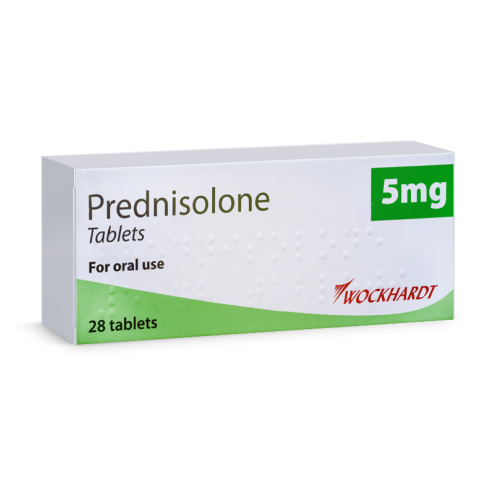
Prednisolone in the United States: Medical Guide, Safety, Prescription Rules, and Patient Experience
Can I get Prednisolone without a prescription in the United States?
No, Prednisolone is a prescription-only medicine in the United States. It is illegal and unsafe to obtain it without a valid prescription from a licensed healthcare provider. The Food and Drug Administration (FDA) strictly regulates the sale and distribution of Prednisolone to protect patient safety.
Key Takeaways: Fast Facts About Prednisolone
- Active ingredient: Prednisolone
- Main use: Reduces inflammation in conditions like asthma, rheumatoid arthritis, and severe allergies
- Prescription status: Prescription required in the United States
- Typical onset of action: Within 1–2 hours after oral administration
- Absolute contraindications: Uncontrolled systemic infections, live vaccines, known allergy to Prednisolone
- Most common side effects: Insomnia, increased appetite, mood changes, high blood pressure
- Peak effect: 1–2 hours after taking
- Price range (2026): $12–$40 per 30-tablet bottle (5 mg strength), depending on region and insurance
- Insurance: Often covered by Medicare, Medicaid, and private insurers for approved indications
How Does Prednisolone Work in the Body?
Prednisolone is a synthetic corticosteroid that acts as an anti-inflammatory and immunosuppressant, mimicking the effects of hormones naturally produced by the adrenal glands.
Mechanism of action: Prednisolone binds to cytoplasmic glucocorticoid receptors within cells. The resulting steroid-receptor complex then translocates to the cell nucleus, where it modifies gene transcription. This suppresses the production of pro-inflammatory cytokines (including interleukins and tumor necrosis factor-alpha) and inhibits the activity of phospholipase A2, which reduces the release of arachidonic acid and subsequent production of prostaglandins and leukotrienes—chemical messengers of inflammation.
As a result, Prednisolone rapidly decreases swelling, redness, heat, and pain associated with inflammatory conditions. It also dampens the immune system, which is valuable in treating autoimmune diseases, but increases susceptibility to infection.
Metaphor: Imagine Prednisolone as a “dimmer switch” for your body’s inflammatory response, turning down the overactive immune system and preventing tissue damage caused by runaway inflammation.
Note: Prednisolone works independently and does not require external activation factors, but its effect can be altered by underlying diseases or other medications affecting hormone metabolism.
(Source: FDA; PubMed; Mayo Clinic)
Expert Commentary from doctor
In my experience, many patients underestimate the impact Prednisolone’s immunosuppressive activity can have on their risk for infections, particularly during flu season or pandemics. I’ve also noticed that patients often stop taking Prednisolone abruptly, not realizing this can cause adrenal insufficiency—a potentially dangerous condition. Always taper the dose as directed. Another common issue: people assume that combining Prednisolone with over-the-counter anti-inflammatories like ibuprofen is safe, but this can raise the risk of stomach ulcers. I always remind my patients to inform every healthcare provider they’re on Prednisolone, as it influences wound healing, blood sugar, and vaccine effectiveness. Remember, the medication is powerful but not without risks, so never self-adjust your regimen.
How Should Prednisolone Be Taken? Dosage, Timing, and Peak Effect
| Indication | Typical Starting Dose (adults) | Maximum Daily Dose | Peak Effect | Duration of Action |
|---|---|---|---|---|
| Acute asthma, severe allergy | 40–60 mg/day, single or divided | 80 mg | 1–2 hours | 12–36 hours |
| Rheumatoid arthritis, chronic conditions | 5–15 mg/day | Variable, rarely > 60 mg | 1–2 hours | 12–36 hours |
| Pediatric use | 0.14–2 mg/kg/day | As per specialist guidance | 1–2 hours | 12–36 hours |
Important: Doses should be individualized based on the disease, patient age, body weight, and response to therapy. The maximum recommended single adult dose is 80 mg except in rare, specialist-managed circumstances.
- Duration: Prednisolone is typically administered once daily in the morning to mimic natural cortisol rhythms and reduce insomnia risk.
- Tapering: If taken for longer than 10 days, Prednisolone must be tapered slowly—not stopped abruptly.
- Splitting tablets: Many generic Prednisolone tablets can be split, but confirm with your pharmacist. Some extended-release forms must not be split or crushed.
- Elderly/Impaired patients: Lower starting doses and slower tapering may be required due to increased sensitivity and risk for side effects.
(Source: Mayo Clinic; FDA)
What Should I Know About Food, Alcohol, and Lifestyle When Taking Prednisolone?
- With food or without?
- Prednisolone may cause stomach irritation; it is best taken with food or a glass of milk.
- Fatty foods?
- High-fat meals have minimal effect on absorption but can exacerbate weight gain associated with long-term use.
- Alcohol?
- Alcohol may increase the risk of stomach ulcers, gastrointestinal bleeding, and worsened mood changes. Limit alcohol to 1–2 drinks per week, or avoid entirely during therapy—especially if other risk factors for GI bleeding are present.
- Grapefruit juice?
- Grapefruit juice does not significantly alter Prednisolone metabolism. No strict prohibition, but moderation is wise.
- Other considerations?
- Exercise is encouraged to combat bone loss, but strenuous physical activity should be approached cautiously in those with muscle weakness or osteoporosis risk.
Myth vs Reality
Myth: “You can drink alcohol freely while on Prednisolone.”
Reality: Even moderate alcohol can increase steroid-associated stomach damage and mood swings. Caution is advised.
Which Conditions or Medications Make Prednisolone Unsafe?
| Absolute Contraindications (Never Use) | Relative Contraindications (Use with Caution) |
|---|---|
|
|
Drug interactions: Prednisolone can interact negatively with:
- NSAIDs (e.g., ibuprofen, naproxen): increased risk of GI bleeding
- Blood thinners (e.g., warfarin): altered effectiveness, increased bleeding risk
- Live vaccines: risk of disseminated infection
- Insulin or oral diabetes medications: may require dose adjustment
- Some anticonvulsants (phenobarbital, phenytoin): reduced steroid effectiveness
- CYP3A4 inhibitors (e.g., ketoconazole): may increase steroid side effects
Bottom line: Always inform your doctor of all medications, supplements, and herbal products before starting Prednisolone.
What Side Effects Are Most Common With Prednisolone?
| Frequency | Side Effect | Mechanism/Explanation | Recommended Action |
|---|---|---|---|
| Very common (>1 in 10) |
Increased appetite, weight gain, mood changes (anxiety, euphoria, insomnia), elevated blood sugar | Metabolic and neuropsychiatric effects due to hormone modulation | Monitor diet, inform doctor if severe |
| Common (1 in 10 – 1 in 100) |
High blood pressure, muscle weakness, fluid retention, facial swelling (“moon face”), acne | Sodium retention, protein breakdown, immune suppression | Regular blood pressure and electrolyte monitoring |
| Uncommon (1 in 100 – 1 in 1,000) |
Osteoporosis, cataracts, peptic ulcers, delayed wound healing, secondary infections (pneumonia, thrush) | Reduced calcium absorption, immune suppression, GI irritation | Bone density checks, eye exams, seek care for new infections |
| Rare/Very rare | Psychosis, adrenal suppression, avascular necrosis of bone, severe allergic reactions | Profound immune and hormone system disturbances | Emergency care required |
What if a side effect occurs?
- For mild symptoms: Notify your prescriber promptly; dose adjustments may help.
- For serious symptoms (shortness of breath, severe mood changes, vision loss, signs of infection): Stop the medication and seek urgent medical attention.
Common Patient Mistakes Observed by doctor
- Stopping Prednisolone suddenly: Doing so after a long course may trigger adrenal crisis. Always taper as instructed, never quit abruptly.
- Not disclosing Prednisolone use before surgery or vaccines: This oversight can increase infection risk or interfere with healing and immune response. Always inform all healthcare professionals you are on Prednisolone.
- Taking with NSAIDs (ibuprofen, naproxen) without medical advice: Raises risk of stomach ulcers and GI bleeding. Avoid combining unless directed by your doctor.
- Ignoring early signs of infection: Prednisolone can mask fever and pain. Report any unusual symptoms immediately.
- Taking more than prescribed or “catching up” missed doses: Can lead to dangerous side effects or adrenal suppression. Never double up doses—take the next scheduled dose.
- Assuming Prednisolone is a painkiller: It treats inflammation, not pain directly. Set realistic expectations and discuss alternatives for chronic pain.
Prednisolone Compared to Other Anti-inflammatory Medications
| Feature | Prednisolone | Methylprednisolone | Dexamethasone |
|---|---|---|---|
| Onset of Action | 1–2 hours | 1–2 hours | 0.5–1 hour |
| Duration of Effect | 12–36 hours | 18–36 hours | 36–72 hours |
| Potency (relative to hydrocortisone) | 4x | 5x | 25–30x |
| Common Indications | Asthma, RA, allergy, autoimmune | MS, asthma, lupus, transplant | Brain edema, severe COVID-19, cancer |
| Estimated Price (2026, 30 tablets) | $12–$40 | $14–$44 | $20–$55 |
| Insurance Coverage | Yes, for FDA-approved uses | Yes, similar to Prednisolone | Yes (specialist required) |
| Notable Differences | More common for outpatient use | Slightly stronger, often used in hospital settings | Longest-acting; higher risk of certain side effects |
Bottom line: Choice depends on specific medical context, duration needed, and risk profile. Discuss with your prescriber which option fits your condition best.
Questions Frequently Asked to doctor
- How long can I safely take Prednisolone?
- For most conditions, Prednisolone is used for the shortest possible period to control symptoms. Long-term use (weeks to months) is possible but always requires close monitoring for side effects like bone thinning and high blood sugar.
- What happens if I miss a dose?
- Take your next dose as soon as you remember. If it’s almost time for the next dose, skip the missed one—don’t double up. Missing multiple doses after long-term therapy can cause adrenal crisis; contact your doctor if unsure.
- Can I receive vaccines while on Prednisolone?
- Live vaccines are unsafe during significant steroid use. Inactivated vaccines are generally safe but may be less effective. Discuss all immunizations with your care provider.
- Is it safe during pregnancy?
- Prednisolone may be used during pregnancy only if the benefits outweigh the risks. There may be increased risk to the fetus in high doses or with long-term use. Always discuss with your OB-GYN.
- Are there any dietary supplements I should avoid?
- High-dose vitamin A or D supplements, St. John’s Wort, and licorice can interact with Prednisolone or increase its side effects. Always share your supplement list with your healthcare provider.
- What if I develop a fever or infection?
- Contact your doctor immediately. Prednisolone masks typical infection symptoms, which can delay proper treatment and worsen outcomes.
- Do I need extra precautions for diabetes?
- Yes, Prednisolone can increase blood glucose. Blood sugar should be monitored more closely, and diabetes medications may require adjustment.
Prednisolone: Key Characteristics Overview
| Parameter | Value |
|---|---|
| Active substance | Prednisolone |
| Main indication | Moderate-to-severe inflammation (e.g., asthma, RA, autoimmune diseases) |
| Route of administration | Oral tablets, oral solution, IV injection (in hospital) |
| Onset of action (oral) | 1–2 hours |
| Duration of effect | 12–36 hours (depends on dose) |
| Metabolism | Liver (CYP3A4) |
| Elimination | Kidneys (urine) |
| Half-life (T1/2) | 2–4 hours (biological effect lasts longer) |
| Prescription required? | Yes |
How Can I Legally Obtain Prednisolone in the United States? Step-by-Step Instructions
-
Step 1: Consult a Qualified Healthcare Professional
Schedule an in-person or telehealth appointment with a licensed physician, nurse practitioner, or physician assistant. Prednisolone cannot be obtained legally without a prescription. -
Step 2: Receive an Evaluation and Diagnosis
Your doctor will assess your symptoms, medical history, and determine if Prednisolone is appropriate. -
Step 3: Get a Prescription
If indicated, your provider will prescribe Prednisolone in the right dose and formulation. -
Step 4: Fill Your Prescription at a Licensed Pharmacy
Bring your prescription to a local or verified online pharmacy. In the United States, pharmacies must be licensed by state authorities and may be verified by the National Association of Boards of Pharmacy (NABP). -
Step 5: Monitor and Follow Up
Attend regular check-ups to detect side effects or the need for dose adjustments. Never self-renew your prescription without a new evaluation.
Telemedicine note: Many states now allow telehealth providers to prescribe Prednisolone after a video visit, but beware of unlicensed sites that do not require a medical evaluation.
Is It Legal to Buy Prednisolone Online in the United States?
Yes, but only from a licensed U.S. pharmacy requiring a valid prescription. Buying Prednisolone from sites that do not require a prescription is illegal and unsafe—you may receive counterfeit, contaminated, or substandard medication.
- How to verify: Look for the NABP .Pharmacy Verified Website Program seal.
- Risks of illegal sources: Counterfeiting, wrong dose, unregulated excipients, risk of customs seizure, legal consequences.
- Insurance: Prescription medication is often covered by insurance only when filled at licensed pharmacies.
How to Spot Counterfeit or Unsafe Prednisolone in the United States
- Packaging: Genuine Prednisolone comes in sealed blister packs or bottles with clear labeling (brand/generic name, strength, manufacturer, batch number, expiry date).
- Pill appearance: Tablets are usually white or off-white, may have a score line and engraved manufacturer code.
- Price: If the price is far below pharmacy norms, beware—counterfeits are often heavily discounted.
- Verification: Some brands use QR codes, holograms, or tamper-evident seals. Check the manufacturer’s website for images and guidance.
- Generics: FDA-approved generics contain the same active ingredient and must meet bioequivalence standards, but color, shape, and excipients may vary. Allergic reactions to excipients (inactive ingredients) are possible, especially in generic forms—consult your pharmacist if you have allergies to dyes or fillers.
- If in doubt: Bring the medication to your pharmacist or contact FDA MedWatch to report suspicious products.
Quality Check: Never use Prednisolone if the packaging is damaged, labeling is unclear, or pill appearance differs from previous prescriptions.
Compatibility Table: Prednisolone With Other Products
| Product Type | Can It Be Combined? | Potential Consequences |
|---|---|---|
| Paracetamol (acetaminophen) | Yes | No significant interaction |
| NSAIDs (ibuprofen, naproxen) | Caution | Increased risk of GI bleeding/ulcers |
| Warfarin (anticoagulant) | Caution | Altered blood clotting; monitor INR closely |
| Insulin and diabetes meds | Caution | May require dose increase due to hyperglycemia |
| Live vaccines | STRICTLY NO | Risk of severe infection |
| Alcohol | Caution | Increased stomach/ulcer risk, mood changes |
| Herbal supplements (St. John’s Wort) | Caution | Can reduce steroid effectiveness |
What Should I Do If I Take Too Much Prednisolone (Overdose Protocol)?
- Immediately stop taking Prednisolone.
- Call Poison Control (1-800-222-1222) or emergency services (911) in the U.S.
- Provide the following information:
- Exact product and strength
- Approximate amount taken
- Time of ingestion
- Any current symptoms (confusion, weakness, irregular heartbeat, infection, severe mood changes, vomiting)
- Do not induce vomiting unless instructed by a healthcare professional.
- Bring medication packaging to the emergency department if possible.
Warning: Overdosing on Prednisolone can cause severe hormone imbalance, high blood pressure, electrolyte disturbances, infection risk, and, in rare cases, life-threatening complications.
Special Considerations for Children, Older Adults, and People With Chronic Conditions
- Children: Use only under pediatric specialist supervision. Risk of delayed growth with prolonged use. Doses are weight-adjusted.
- Older adults: Higher risk for osteoporosis, muscle weakness, and diabetes. Regular monitoring required.
- Chronic diseases (diabetes, kidney, or liver disease): Dose adjustment and closer monitoring needed. Blood sugar and blood pressure should be checked frequently.
- Pregnancy and breastfeeding: Only if benefits outweigh risks. Discuss with your OB-GYN. Prednisolone is less likely to cross the placenta in high doses but can still affect fetal development.
- Driving and machinery: Usually does not impair ability, but rarely may cause confusion or visual changes. Monitor for these effects before engaging in hazardous tasks.
- Fertility: No direct adverse effect on fertility at usual doses, but consult a specialist for long-term or high-dose therapy.
Original vs Generic Prednisolone: Cost, Efficacy, and Safety
What is a generic? A generic medication contains the same active ingredient and must demonstrate bioequivalence to the branded product. In the United States, FDA approval ensures generics perform the same as originals.
- Pros of generics: Lower cost, same efficacy and safety standards, more accessible via insurance plans.
- Cons: Different color, shape, or inactive ingredients (excipients) may cause mild allergic reactions or tolerability issues in rare cases. If you react to a generic, discuss alternatives with your pharmacist.
- Originals: Often more expensive, but some patients prefer them if they’ve had adverse reactions to generics before.
- Recommendation: For most people, FDA-approved generics are equally effective. If price is a concern, generics provide substantial savings without compromising treatment.
Professional Opinion of doctor
In my clinical judgment, Prednisolone is most beneficial for patients with acute severe inflammation—such as asthma attacks, autoimmune flares, or severe allergic reactions—where rapid symptom control is needed. It is also invaluable in many chronic inflammatory conditions when other treatments prove insufficient. However, I urge patients to remember that Prednisolone addresses symptoms, not disease origin. Side effects can be significant, particularly when used long-term or at high doses. For many, the benefits outweigh the risks when the drug is used appropriately and monitoring is rigorous. I often consider steroid-sparing options or other immunomodulators for patients with recurrent or long-term inflammatory disorders to reduce steroid exposure. The choice is always personalized, balancing disease severity, quality of life, and individual risk profile. Patients should never self-medicate or abruptly stop therapy—ongoing physician oversight is essential for safety.
Psychological Support: Managing Inflammation and Long-Term Therapy
Living with chronic inflammation can be stressful—physically and emotionally. It’s important to know that you’re not alone; millions of Americans manage similar conditions. Don’t hesitate to talk to your healthcare provider, a counselor, or a support group about any anxiety, mood changes, or concerns about steroid therapy. Open conversation can help you stay on track and improve your overall well-being.
Frequently Asked Questions About Prednisolone in the United States
- Is Prednisolone available over-the-counter in the United States?
- No. It is available only by prescription from a licensed healthcare provider.
- How quickly does Prednisolone begin working?
- It usually starts to reduce inflammation within 1–2 hours after oral administration.
- Does insurance cover Prednisolone?
- Most private insurers, as well as Medicare and Medicaid, cover Prednisolone for approved uses.
- Can I drink alcohol while taking Prednisolone?
- Alcohol should be limited or avoided, as it raises the risk for stomach ulcers and mood swings.
- What happens if I miss a dose?
- Take your next dose as soon as you remember. Never double up; consult your doctor if you’ve missed several doses.
- What are the most serious side effects?
- Adrenal suppression, severe infection, psychiatric symptoms, bone loss, and GI bleeding are among the most serious. Immediate medical attention is needed if these occur.
- Can I use Prednisolone for pain relief?
- No, it is not a painkiller. It reduces inflammation, which may indirectly lessen pain in some conditions.
- Is it safe in pregnancy or breastfeeding?
- Only if the benefits outweigh the risks; always consult your OB-GYN before use.
- How can I be sure my Prednisolone is genuine?
- Buy only from licensed pharmacies, check packaging details, and consult your pharmacist if unsure.
- Are there alternatives to Prednisolone if I experience side effects?
- Yes, alternatives exist (e.g., other corticosteroids, immunosuppressants, biologic agents). Discuss with your healthcare provider.
References
- FDA. Prednisolone Drug Information. Accessed June 2026. https://www.fda.gov/
- Mayo Clinic. Prednisolone (Oral Route). Accessed June 2026. https://www.mayoclinic.org/drugs-supplements/prednisolone-oral-route/description/drg-20067597
- National Institutes of Health (NIH) / PubMed. Prednisolone Pharmacology. Accessed June 2026. https://pubmed.ncbi.nlm.nih.gov/
- American College of Rheumatology. Glucocorticoid Use in Rheumatic Diseases. Accessed June 2026. https://rheumatology.org/
- NABP. Verified Pharmacy Program. Accessed June 2026. https://nabp.pharmacy/
- FDA MedWatch. Report Drug Safety Concerns. Accessed June 2026. https://www.fda.gov/safety/medwatch-fda-safety-information-and-adverse-event-reporting-program
- CDC. Steroids: Side Effects and Monitoring. Accessed June 2026. https://www.cdc.gov/