
- Home/
- Buy Priligy Without Prescription in the United States Online
Can Priligy Be Obtained Without a Prescription in the United States?
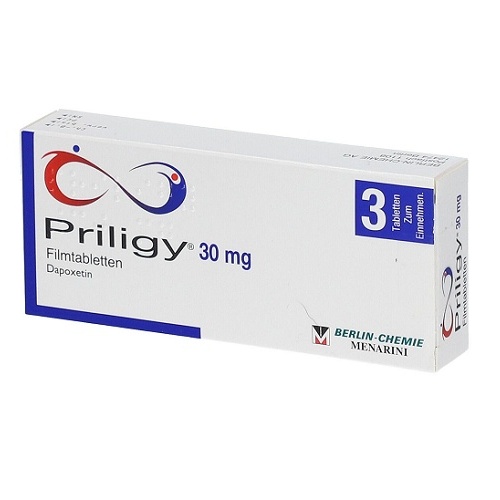
No, Priligy (dapoxetine) cannot be legally obtained without a valid prescription in the United States. The drug is not currently approved by the U.S. Food and Drug Administration (FDA) for use in the United States, which means it is not legally available through licensed pharmacies. Any offer to sell Priligy without a prescription or outside of regulated channels should be considered unsafe and potentially illegal.
Key Takeaways: Priligy (Dapoxetine) Use and Access in the United States
- Priligy (dapoxetine) is not FDA-approved and is not available through licensed U.S. pharmacies as of 2026.
- It is intended for the treatment of premature ejaculation (PE) in adult men when other behavioral interventions are insufficient.
- Importing, purchasing, or using Priligy from unregulated sources carries risks of counterfeit or unsafe products and may be unlawful.
- Consultation with a qualified physician specializing in sexual medicine or urology is essential before considering any medication for PE.
- Alternative therapies, including behavioral and psychological approaches, remain first-line treatments in the U.S.
- Always verify the legitimacy of online pharmacies and avoid any product that is suspiciously cheap or poorly labeled.
How Does Priligy (Dapoxetine) Work for Premature Ejaculation?
Priligy contains dapoxetine, a selective serotonin reuptake inhibitor (SSRI) specifically developed for the treatment of premature ejaculation. Unlike traditional SSRIs used as antidepressants, dapoxetine is designed for rapid absorption and elimination, allowing for “on-demand” use rather than continuous daily dosing. The main pharmacological action involves the inhibition of the serotonin transporter (SERT) in presynaptic neurons, increasing serotonin levels in the synaptic cleft.
Elevated serotonin in the synaptic space acts on specific serotonin (5-HT) receptor subtypes, especially 5-HT1A and 5-HT2C receptors in the spinal cord and brain. This delays the ejaculatory reflex by stabilizing the ejaculatory threshold and modulating the neurobiological pathways responsible for orgasm and emission. In practical terms, Priligy helps men gain greater control over ejaculation and increases the time to ejaculation (latency time).
Metaphor: Think of Priligy as a traffic signal that turns from green to yellow, slowing down the traffic (ejaculatory reflex) just enough to help you reach your destination (sexual satisfaction) at a safer, more controlled pace.
Priligy is effective independent of the presence of sexual stimulation, but its benefits are most pronounced when taken in anticipation of sexual activity. It does not require sexual arousal to work, yet its effect is only relevant in the context of sexual activity.
Expert Commentary: Managing Patient Expectations — The Gap Between Perception and Reality
As a physician, one of the most persistent challenges I encounter with on-demand treatments for premature ejaculation is misaligned expectations. Many patients anticipate a “magic pill” effect—expecting that dapoxetine will work instantly or result in an experience similar to medications for erectile dysfunction. In reality, the degree of improvement varies. Some patients feel disappointed if they don’t achieve substantial delay in ejaculation after the first dose, while others may overlook subtle but meaningful changes. It’s also common for men to judge success solely by time, rather than considering control or satisfaction. I advise patients to discuss their goals and understand that adjustments—such as dose titration or combining with behavioral strategies—may be necessary. It’s important to ask about emotional and relational aspects, not just physical outcomes, to ensure the treatment is meeting their needs.
What Are the Typical Dosage Instructions for Priligy?
Priligy is formulated for on-demand use, not daily administration. The standard starting dose is 30 mg, taken 1 to 3 hours before anticipated sexual activity. If the response is insufficient and side effects are tolerable, the dose may be increased by your doctor to a maximum of 60 mg per occasion. Never exceed one dose within a 24-hour period. Tablets must be swallowed whole with a full glass of water to minimize the risk of orthostatic hypotension (sudden drop in blood pressure upon standing).
- Do not split or crush the tablet.
- For patients with mild hepatic impairment, caution is advised; for moderate to severe impairment, use is contraindicated.
- Priligy is not recommended for men over 65 years or those under 18 years of age due to safety concerns and lack of evidence in these populations.
The peak effect is generally reached within 1–3 hours, and the therapeutic benefit lasts up to 4 hours. If you forget to take a dose before sexual activity, do not double up the next time.
Pharmacokinetics: How Is Priligy Absorbed, Metabolized, and Eliminated?
Dapoxetine is rapidly absorbed, reaching maximum plasma concentration (Cmax) within 1–2 hours after oral administration. The drug undergoes extensive first-pass metabolism in the liver, primarily via CYP2D6 and CYP3A4 enzymes. The elimination half-life (T1/2) is short—approximately 19 hours—leading to minimal accumulation with intermittent use. Most of the drug and its metabolites are excreted via the kidneys. This rapid elimination profile is why Priligy is suitable for on-demand rather than continuous use and why it rarely causes long-term withdrawal symptoms.
Can Priligy Be Taken With Food, Alcohol, or Other Substances?
Priligy can be taken with or without food, but a high-fat meal may delay the onset of action by roughly 30–60 minutes. It’s best to take the tablet with a full glass of water, regardless of meals, to reduce the risk of dizziness.
Alcohol use is strongly discouraged while taking Priligy. Combining dapoxetine with alcohol increases the risk of central nervous system side effects such as dizziness, fainting, impaired judgment, and syncope (sudden loss of consciousness). Grapefruit juice is not known to significantly interfere with dapoxetine metabolism, but caution is always advised with citrus juices due to general CYP enzyme interactions.
| Product | Can it be combined? | Consequences |
|---|---|---|
| Alcohol | NO | Increased risk of fainting, dizziness, impaired judgment |
| Grapefruit juice | Caution | Potential mild interaction; avoid excessive amounts |
| Nitrates | STRICTLY NO | Life-threatening hypotension |
| Other SSRIs | NO | Serotonin syndrome, increased side effects |
| ED drugs (e.g., sildenafil) | Caution | Monitor blood pressure closely |
Who Should Not Use Priligy? Contraindications and Cautions
Absolute contraindications (never use):
- Concurrent use of monoamine oxidase inhibitors (MAOIs), thioridazine, SSRIs, SNRIs, or certain tricyclic antidepressants.
- Significant heart conditions (e.g., heart failure, arrhythmias, conduction abnormalities, history of syncope).
- Moderate to severe hepatic impairment.
- History of mania, bipolar disorder, or significant psychiatric illness.
- Known hypersensitivity to dapoxetine or excipients in the formulation.
Relative contraindications / Use with caution:
- Men with mild to moderate renal impairment (adjust dose or monitor).
- Patients taking potent CYP3A4 inhibitors (e.g., ketoconazole, ritonavir).
- Patients with a predisposition to orthostatic hypotension or dehydration.
- Age over 65 years (increased sensitivity, lack of evidence).
- Never take with nitrates, nitric oxide donors, or other serotonergic agents due to risk of life-threatening complications.
After a heart attack or stroke: Priligy should not be considered until cardiac function is fully stabilized and only under direct supervision of a specialist.
What Side Effects Are Most Common With Priligy?
Very Common (>10%):
- Nausea
- Dizziness
- Headache
- Insomnia
- Fatigue
- Diarrhea
- Anxiety
- Irritability
- Excessive sweating
- Blurred vision
- Fainting (syncope)
- Palpitations or irregular heartbeat
- Seizures
- Serotonin syndrome (potentially life-threatening, especially if combined with other serotonergic drugs)
- Allergic reactions (rash, angioedema)
- Liver dysfunction
Mechanism (why these side effects occur): Most side effects are due to increased serotonin levels in the brain and the drug’s rapid impact on the central nervous system. Dizziness and fainting are linked to sudden drops in blood pressure, especially if the drug is taken on an empty stomach or with insufficient fluid intake. If any severe or persistent side effects occur, stop using Priligy and seek immediate medical attention.
What Patients Often Get Wrong When Using Priligy
- Taking the Medication Too Early or Too Late: Priligy should be taken 1–3 hours before sexual activity; taking it outside this window reduces effectiveness or increases side effect risk.
- Skipping Meals or Not Drinking Enough Water: Skipping food and not hydrating can increase dizziness and risk of fainting.
- Doubling Up After a Missed Dose: Taking more than one tablet in 24 hours increases risk of side effects without added benefit. Never double the dose.
- Combining With Alcohol: Many patients underestimate alcohol’s impact; even small amounts can lead to dangerous drops in blood pressure and loss of consciousness.
- Stopping Treatment After the First Dose if Effects Are Subtle: Some men may require several attempts or dose adjustment to notice meaningful results. Early discontinuation prevents proper assessment.
- Ignoring Interactions With Other Medications: Failure to disclose all medications to your doctor can result in serious interactions—especially with other antidepressants or heart medications.
How Does Priligy Compare With Other Treatments for Premature Ejaculation?
Below is a structured comparison of Priligy with two main alternatives available for premature ejaculation in the United States: off-label SSRIs (such as paroxetine or sertraline) and topical anesthetic sprays (such as lidocaine/prilocaine combination). Pricing is based on typical U.S. pharmacy costs as of 2026.
| Parameter | Priligy (Dapoxetine) | Paroxetine (Off-label) | Lidocaine/Prilocaine Spray |
|---|---|---|---|
| Approval Status, U.S. | Not FDA approved | Off-label use | FDA cleared (topical use) |
| Onset of Action | 1–3 hours | Several days to weeks (daily use) | 5–20 minutes |
| Duration | Up to 4 hours | Continuous | Approx. 1 hour |
| Side Effects | Nausea, dizziness, headache, syncope | Sexual dysfunction, weight gain, sleep changes | Local numbness, partner transfer |
| Price per Dose | $20–$40 (import/generic) | $1–$2 (generic, daily) | $12–$18 (per use) |
| Prescription Required | Yes | Yes | No (for most brands) |
Technical Details: Priligy at a Glance
| Active Ingredient | Dapoxetine hydrochloride |
| Available Strengths | 30 mg, 60 mg |
| Formulation | Oral tablet (film-coated) |
| Onset of Action | 1–3 hours |
| Duration of Effect | Up to 4 hours |
| Storage | Below 30°C (86°F), original packaging |
| Manufacturer (original) | Menarini Group (Europe), various generics |
Step-by-Step: How to Seek Legitimate Treatment for Premature Ejaculation in the United States
- Consult a Qualified Specialist: Schedule an appointment with a board-certified urologist, sexual medicine specialist, or men’s health clinic. Many metropolitan areas (e.g., New York, Los Angeles, Chicago) offer specialized centers; telemedicine options are increasingly available.
- Comprehensive Assessment: The physician will evaluate your medical history, rule out underlying health issues (such as thyroid disorders or prostatitis), and may recommend counseling or behavioral therapy first.
- Discussion of Options: If medication is appropriate, your doctor may discuss off-label use of SSRIs or recommend topical treatments, as Priligy is not FDA-approved in the U.S. and cannot be prescribed through standard pharmacies.
- Prescription and Monitoring: For eligible alternatives, your doctor will issue a prescription, explain administration, and schedule follow-up to monitor effectiveness and side effects.
- Pharmacy Fulfillment: Obtain your medication through a licensed pharmacy. Avoid unregulated online sources or “import” offers.
- Ongoing Management: Track your response and communicate with your physician regarding any side effects, changes in symptoms, or psychological factors affecting sexual health.
How to Recognize and Avoid Unsafe Online Pharmacies in the United States
With the rise of online pharmacies, patients are at risk of encountering unsafe, fraudulent, or counterfeit medicines. The National Association of Boards of Pharmacy (NABP) operates the .pharmacy Verified Websites Program to help consumers identify legitimate pharmacies. Look for the .pharmacy seal and verify that the pharmacy is licensed in your state.
- Avoid websites that do not require a prescription, offer dramatically lower prices, or conceal their physical address.
- Be wary of sites that sell Priligy despite its lack of FDA approval.
- Legitimate U.S. pharmacies must always request a prescription, display a valid license, and provide pharmacist contact information.
- Counterfeit drugs from unregulated sources may contain incorrect ingredients, dangerous contaminants, or incorrect dosage.
For additional consumer protection resources, consult the FDA’s guide to buying medicines online.
How to Identify Genuine Priligy and Distinguish From Counterfeits
Original Priligy tablets are packaged in silver, tamper-evident blisters with clear branding and a professional font. The tablet is white, round, and film-coated, with “30” or “60” engraved on one side. Genuine packaging includes the manufacturer’s logo, batch number, lot code, and an expiration date. Some manufacturers include a QR code or holographic security marking, especially for shipments in Europe or Asia. In the U.S., any Priligy product is either imported or generic; always request documentation proving authenticity.
Warning signs of counterfeit or unsafe product:
- Suspiciously low price compared to typical market rates
- Misspelled labels or generic packaging
- Lack of batch number or expiration date
- Absence of official seals, QR codes, or manufacturer branding
Myth vs. Reality: What Should You Expect From Priligy?
- Myth: Priligy works instantly and guarantees long-lasting performance for every user.
Reality: The effect takes 1–3 hours; individual results vary, and some patients require dose adjustments or combined therapy. - Myth: You can safely combine Priligy with alcohol or recreational drugs.
Reality: This combination significantly increases the risk of dangerous side effects. - Myth: Only medication can solve premature ejaculation.
Reality: Behavioral therapies and psychological support are often effective and should be considered first-line approaches.
What Should You Do If You Suspect an Overdose?
- Stop taking Priligy immediately.
- Call emergency services (911) or visit the nearest emergency department in the United States.
- Inform medical staff of the dose, time taken, and any symptoms (dizziness, fainting, confusion, abnormal heart rhythm).
- Bring the medication packaging with you if possible.
Do not attempt to induce vomiting or self-treat at home. Prompt medical attention is essential to prevent severe complications.
Are There Special Considerations for Certain Patient Groups?
- Chronic Illness (liver, kidney): Use caution or avoid in moderate to severe hepatic or renal impairment; the drug is processed via the liver and excreted by the kidneys.
- Older Adults (>65 years): Insufficient evidence for safety and efficacy; increased risk of side effects.
- Youth (<18 years): Not studied or recommended.
- Driving and Machinery: Priligy can cause dizziness and fainting; avoid driving or operating heavy machinery until you know how the drug affects you.
- Fertility: No evidence suggests Priligy impairs fertility, but long-term use data in this context are limited.
When Is Psychological Support Essential?
Premature ejaculation is a common and manageable condition. Psychological and relationship factors often play a role, and addressing these openly with a qualified mental health professional, or discussing concerns with your partner, is crucial. Combining behavioral therapy with medical options often yields the best results.
Questions Patients Commonly Ask Me as a Physician About Priligy and PE Treatment
- How soon should I expect to notice improvement after starting Priligy or an alternative?
- Most men notice an effect within the first 1–3 uses. If you notice no improvement after several attempts, let me know so we can adjust the dose or explore other options.
- If I have mild side effects (like nausea or headache), should I continue with the medication?
- Mild side effects may diminish after the first few doses. If symptoms are severe, persistent, or interfere with daily life, report them promptly—we may need to switch therapy.
- Does using medication mean I’ll have to rely on it for the rest of my life?
- Not necessarily. Many men use medication as a temporary aid while addressing psychological or relationship factors. Long-term dependency is rare, especially with on-demand use.
- How do I know if a medication is truly working for me?
- Improvement can mean longer time to ejaculation, better control, or increased satisfaction. Keep a diary of experiences to help track subtle changes.
- Can I alternate between medical and behavioral therapy?
- Absolutely. In fact, integrating both approaches often produces the best outcomes. We can discuss the right combination for your situation.
- Will insurance cover these treatments?
- Coverage varies. Many insurers cover off-label SSRIs for PE, but topical anesthetics may not be covered. Priligy is not FDA-approved, so coverage is unlikely.
- Do I need routine medical tests while using these medications?
- For on-demand or topical therapies, ongoing lab monitoring is rarely needed. For daily SSRI use, we may check labs periodically, especially if you have chronic health conditions.
doctor’s Practical Treatment Assessment: Clinical Considerations for Dapoxetine and PE Therapy
In my clinical judgment, on-demand therapy like dapoxetine is most suitable for men with lifelong or acquired premature ejaculation who have tried behavioral interventions without sufficient relief. It best serves those who desire flexibility and want to avoid daily medication. Men with significant psychiatric history, unstable cardiovascular disease, or concurrent antidepressant use are poor candidates due to safety concerns. When sexual dissatisfaction is linked to relational or psychological factors, I prioritize counseling and behavioral therapy first. Dapoxetine or off-label SSRIs may be considered if the impact on quality of life is substantial and alternative treatments have failed. I reassess therapy regularly, as needs and circumstances change, and I remain vigilant for emerging side effects or interactions—particularly in men with multiple medical comorbidities. Finally, I emphasize that medication rarely “cures” premature ejaculation but can facilitate more satisfying sexual experiences as part of a broader treatment plan.
Frequently Asked Questions About Priligy in the United States
- Is Priligy (dapoxetine) approved by the FDA?
- No, Priligy is not FDA-approved as of 2026 and is not available through licensed U.S. pharmacies.
- Can I legally import Priligy for personal use?
- Importing prescription medicines not approved in the U.S. is generally prohibited and may result in customs seizure or legal consequences.
- What is the usual dose for Priligy?
- The typical starting dose is 30 mg taken 1–3 hours before sex, potentially increased to 60 mg. Only use under a doctor’s direction.
- What are the most common side effects?
- Nausea, dizziness, and headache are most frequent; more serious reactions, like fainting or palpitations, are rare but require medical attention.
- How much does Priligy cost?
- Because it is not FDA-approved, pricing varies widely for imported or generic versions—typically $20–$40 per tablet from international sources.
- Are there safer alternatives in the United States?
- Yes. Off-label use of SSRIs (paroxetine, sertraline) and topical anesthetics are commonly prescribed for PE in the U.S. Consult a doctor for individualized recommendations.
- Can Priligy be used with ED medications like sildenafil?
- Combination is possible but requires close monitoring, as both can affect blood pressure and increase side effect risk.
- Will my insurance cover treatment for premature ejaculation?
- Coverage for PE therapy varies by insurer and medication type. Non-FDA approved drugs like Priligy are typically not covered.
- What should I do if I miss a dose?
- Priligy is taken as needed, not daily, so simply skip the dose if you miss the intended window.
- What if Priligy does not work for me?
- Discuss this with your doctor. Dose adjustment, switching to another therapy, or integrating psychological support may help.
References
- U.S. Food and Drug Administration. FDA Official Homepage (Accessed 2026)
- National Association of Boards of Pharmacy (NABP): NABP Official Homepage (Accessed 2026)
- FDA. Buying Medicines Over the Internet. FDA Consumer Information (Accessed 2026)
- Kentish-Barnes N, et al. Efficacy and Safety of Dapoxetine in Premature Ejaculation: A Systematic Review. PubMed (Accessed 2025)
- International Society for Sexual Medicine. ISSM Homepage (Accessed 2026)
- Mayo Clinic. Premature Ejaculation Treatments and Drugs. Mayo Clinic Homepage (Accessed 2026)
- FDA Orange Book. FDA Orange Book (Accessed 2026)
- ClinicalTrials.gov: Dapoxetine Studies. ClinicalTrials.gov Homepage (Accessed 2026)