
- Home/
- Buy Seroquel at Low Price in the United States
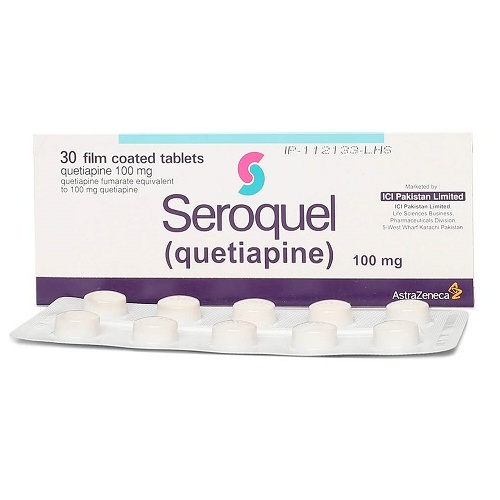
Seroquel (Quetiapine) in the United States: Safe Use, Access, Risks, and Evidence-Based Guidance
Summary: Key Facts About Seroquel in the United States
| Parameter | Details (2026 data) |
|---|---|
| Active ingredient | Quetiapine |
| Main uses | Schizophrenia, Bipolar disorder (mania, depression), Adjunct in major depression |
| Prescription status | Prescription only (Rx), per FDA regulations |
| Onset of action | Within 1.5–4 hours (varies by formulation) |
| Most common side effects | Drowsiness, dry mouth, weight gain |
| Typical U.S. retail price (2026; generic) | $12–$50 for 30 tablets (varies by dose, brand, and insurance) |
| Legal online purchase? | Yes, but only with a valid U.S. prescription from a licensed doctor |
Can I Get Seroquel Without a Prescription in the U.S.?
No. Purchasing Seroquel (Quetiapine) without a prescription is illegal in the United States. Seroquel is a prescription-only medicine regulated by the Food and Drug Administration (FDA). Pharmacies—whether online or in-person—must verify a valid prescription from a licensed U.S. healthcare provider before dispensing. Buying Seroquel without a prescription can expose you to counterfeit products, legal risks, and serious health consequences. Always consult a qualified mental health provider in the U.S. before considering Seroquel therapy.
How Does Seroquel Work? (Mechanism of Action Explained)
Seroquel (Quetiapine) is an atypical antipsychotic, meaning it targets multiple neurotransmitter systems in the brain. Its primary action is as an antagonist (blocker) at the serotonin 5-HT2A and dopamine D2 receptors. By blocking these receptors, quetiapine reduces abnormal dopamine and serotonin activity, which is associated with symptoms like hallucinations, delusions, mood instability, and agitation.
- 5-HT2A antagonism: Thought to normalize mood and reduce psychosis.
- D2 receptor antagonism: Reduces positive symptoms of schizophrenia and mania but at a lower affinity than older antipsychotics, minimizing movement side effects.
- Histamine H1 and alpha-1 adrenergic blockade: Causes sedation and drowsiness, which can be helpful for agitation but also lead to side effects.
On a biochemical level, Seroquel’s action shifts the balance of neurotransmitters, dampening excessive neural activity in specific brain regions associated with psychosis and mood disorders. Unlike some medications, Seroquel does not require food, light, or other external triggers to work—it acts directly after absorption.
Metaphor: Imagine a city’s traffic lights malfunctioning, causing chaos. Seroquel acts like a traffic controller, blocking some pathways and opening others, restoring the flow of information and reducing chaos in the brain.
Expert Commentary from doctor
In my clinical experience, the biggest misunderstanding about Seroquel is that it’s a “one-size-fits-all” quick fix for insomnia or mood swings. Many patients (and even some prescribers) underestimate the importance of gradual dose titration—starting too high or increasing too quickly can amplify side effects like sedation or orthostatic hypotension. I’ve also seen patients believe it’s safe to use “as needed” for sleep, which isn’t supported by evidence and can lead to dependency or withdrawal. The most successful outcomes come from clear communication: setting realistic expectations, monitoring metabolic parameters, and reviewing adherence regularly. Patients should always discuss any side effects or concerns with their provider rather than adjusting their dose on their own.
Seroquel Dosage: How to Take It, When It Works, and How Long It Lasts
Standard Dosing (Adults):
- Schizophrenia: Start at 50 mg twice daily (immediate-release) or 300 mg once nightly (extended-release), titrated by 50–100 mg per day to 300–800 mg/day, divided (per FDA labeling and 2024 APA guidelines).
- Bipolar Mania: 50 mg twice daily, titrated up to 400–800 mg/day.
- Bipolar Depression: Extended-release usually 50 mg once nightly, increasing to 300 mg over 4 days.
- Adjunct in Major Depressive Disorder (XR only): 50 mg–300 mg nightly.
Maximum Recommended Dose: 800 mg per day (adults). Never exceed this unless specifically instructed by your psychiatrist.
- Elderly: Start lower—typically 25 mg/day, titrated up carefully due to increased fall risk and sensitivity to sedation.
- Children/Adolescents: Indications and doses are diagnosis-specific and require pediatric psychiatric supervision.
- Renal/Hepatic Impairment: Start at lower doses and titrate very slowly; consult a specialist.
Tablet splitting: Immediate-release tablets may be split if scored. Extended-release (XR) tablets must not be split, crushed, or chewed.
Onset: Sedation can begin after the first dose; antipsychotic and mood-stabilizing effects may take days to weeks.
Duration: 12–24 hours (depends on formulation).
Always follow your doctor’s instructions—self-adjusting dose may lead to serious or even life-threatening complications.
Food, Alcohol, and Lifestyle Interactions: What You Need to Know
- Can Seroquel be taken with food?
- Immediate-release: May be taken with or without food. Extended-release (XR): Take on an empty stomach or with a light meal (<300 calories) to avoid altered absorption (FDA).
- Does high-fat food delay effect?
- Not significantly, but high-calorie meals can increase absorption by up to 20% with XR formulations.
- Alcohol compatibility:
- Strictly not recommended. Alcohol increases drowsiness, impairs judgment, and raises risk of accidental injury or overdose.
- Grapefruit juice:
- Avoid. Grapefruit can inhibit the enzyme CYP3A4, increasing Seroquel blood levels and toxicity risk.
- Driving and machinery:
- Seroquel causes drowsiness and slowed reaction times. Do not drive or operate machinery until you know how it affects you.
Who Should Not Take Seroquel? (Contraindications and Red Flags)
Absolute contraindications (never use):
- Known hypersensitivity to quetiapine or any tablet ingredient.
- Concomitant use with strong CYP3A4 inhibitors (e.g., ketoconazole, certain HIV medications) — raises risk of life-threatening side effects.
- Recent myocardial infarction or unstable heart rhythm disorders (e.g., QT prolongation) without specialist supervision.
Relative contraindications (use only with caution and close monitoring):
- Uncontrolled diabetes (risk of hyperglycemia and diabetic ketoacidosis).
- History of neuroleptic malignant syndrome.
- Severe liver impairment (dose adjustment required).
- History of seizures or epilepsy.
- Older adults with dementia-related psychosis (increased risk of stroke and death).
Why? Seroquel can cause significant sedation, low blood pressure, cardiac arrhythmias, metabolic changes, and rare but severe syndromes like neuroleptic malignant syndrome or agranulocytosis (very low white blood cell count).
What Side Effects Are Most Common with Seroquel?
| Frequency | Side Effect | Explanation / Mechanism |
|---|---|---|
| Very Common (>10%) |
Drowsiness, dry mouth, dizziness, weight gain, increased appetite | Histamine and serotonin receptor blockade; metabolic changes |
| Common (1–10%) |
Constipation, orthostatic hypotension, increased triglycerides, mild tachycardia, blurred vision | Alpha-1 adrenergic and muscarinic blockade |
| Rare (<1%) |
Diabetes, seizures, tardive dyskinesia, priapism, severe allergic reactions | Metabolic, neurological changes |
| Very Rare | Neuroleptic malignant syndrome, agranulocytosis, life-threatening arrhythmias | Idiosyncratic reactions, cardiac conduction effects |
What to do if you experience side effects?
- Mild (drowsiness, dry mouth): Discuss with your provider; dose adjustment may help.
- Severe (fever, muscle rigidity, confusion, chest pain, severe rash): Seek emergency care immediately.
Myth vs Reality:
Myth: All side effects go away within days.
Reality: Some, like weight gain or metabolic changes, can develop over weeks to months and require long-term monitoring.
Common Patient Mistakes Observed by doctor
- Stopping Seroquel suddenly. This can cause withdrawal symptoms (insomnia, nausea, agitation) and risk of relapse. Always taper under medical supervision.
- Using Seroquel for sleep “as needed.” Not approved for insomnia alone and can cause tolerance, daytime grogginess, or dependence.
- Missing regular check-ups. Blood sugar, lipids, and weight should be checked routinely. Skipping these visits increases risk of unnoticed diabetes or high cholesterol.
- Mixing with alcohol or sedatives. Increases risk of severe drowsiness, falls, or overdose.
- Splitting XR (extended-release) tablets. This alters absorption and can lead to overdose or ineffective dosing. Only split scored immediate-release tablets if instructed.
How Does Seroquel Compare to Alternatives? (Cost, Efficacy, Side Effects)
| Feature | Seroquel (Quetiapine) | Abilify (Aripiprazole) | Zyprexa (Olanzapine) |
|---|---|---|---|
| Onset speed | 1.5–4 hours | 1–2 hours | 1–2 hours |
| Duration of action | 12–24 hours | 24–48 hours | 24 hours |
| Most common side effects | Drowsiness, weight gain, dry mouth | Akathisia (restlessness), insomnia | Weight gain, increased appetite, sedation |
| Typical U.S. price (2026; generic, 30 tablets) | $12–$50 | $18–$65 | $20–$68 |
| Metabolic risk | Medium | Low | High |
| QT prolongation risk | Moderate | Low | Moderate |
Bottom line: Seroquel is more sedating and carries a moderate risk of weight gain; Abilify may cause more restlessness but less metabolic impact; Zyprexa is effective but has the highest risk of weight gain and diabetes. Prices are similar for generics. Choice depends on diagnosis, treatment goals, and side effect profile.
Questions Frequently Asked to doctor
- Is it safe to take Seroquel long-term?
- For many patients, long-term use is necessary and can be safe, but it requires regular metabolic, cardiovascular, and psychiatric monitoring. Discuss risks and benefits with your prescriber every 6–12 months.
- What if I miss a dose?
- If you remember within a few hours, take it. If it’s close to the next dose, skip the missed one—never double up. Consistency is key for effectiveness.
- Can I drink alcohol while on Seroquel?
- I strongly advise against it. Alcohol increases drowsiness, impairs judgment, and raises the risk of dangerous interactions.
- Will Seroquel make me gain weight?
- Weight gain is common, especially in the first few months. Monitoring diet, exercise, and regular blood tests can help manage this risk.
- Can Seroquel be used for sleep?
- Although it’s sedating, Seroquel is not FDA-approved for primary insomnia. Off-label use for sleep is controversial due to side effect risks.
- Does Seroquel interact with other medicines?
- Yes. Strong interactions occur with certain antifungals, antivirals, and antibiotics. Always provide a full medication list to your provider.
- Should elderly patients take Seroquel?
- In older adults, especially those with dementia, risks of stroke, sedation, and falls are higher. Careful specialist supervision is essential.
At-a-Glance: Seroquel Key Characteristics Table
| Active ingredient | Quetiapine |
| Formulations | Immediate release, Extended release (XR) |
| Onset of action | 1.5–4 hours |
| Peak effect | 2–6 hours |
| Metabolism | Liver (via CYP3A4) |
| Half-life | ~6 hours (immediate-release); 7–12 hours (XR) |
| Main use | Schizophrenia, bipolar disorder, adjunct in depression |
| Price range (2026; generic) | $12–$50/30 tablets |
Step-by-Step: How to Legally Obtain Seroquel in the United States
- Consult a licensed U.S. healthcare provider. Schedule an in-person or telehealth (video/phone) appointment with a psychiatrist, nurse practitioner, or primary care provider familiar with mental health conditions.
- Undergo evaluation. You’ll be asked about your symptoms, history, and any other medications or health problems.
- Receive a diagnosis and treatment plan. If Seroquel is appropriate, your provider will issue a prescription—either electronically (eRx) or as a paper prescription.
- Fill your prescription at a licensed pharmacy. This can be a local pharmacy in your city (e.g., New York, Chicago, Los Angeles) or a verified online pharmacy in the U.S. (look for VIPPS accreditation).
- Follow up regularly. Routine follow-ups are required to assess effectiveness, side effects, and safety labs.
Insurance coverage varies by plan and state, but most major U.S. insurers (e.g., Blue Cross, UnitedHealthcare, Medicaid/Medicare) cover generic quetiapine with prior authorization for psychiatric conditions.
Is It Legal to Buy Seroquel Online? Understanding U.S. Regulations
In the United States, it is legal to purchase Seroquel online only through licensed U.S. pharmacies requiring a valid prescription. Look for accreditation such as VIPPS (Verified Internet Pharmacy Practice Sites) or NABP certification. Purchasing from websites that do not require a prescription, or from foreign sites shipping unregulated medication, is illegal and unsafe. Risks include counterfeit drugs, customs seizure, and lack of legal recourse for adverse events. A U.S. prescription is a protective safeguard, ensuring you receive genuine, properly stored medication and appropriate monitoring.
Counterfeits and Generics: How to Tell if Your Seroquel Is Authentic
How to recognize original Seroquel in the U.S.:
- Packaging: Manufacturer’s name (AstraZeneca for brand, various FDA-approved generic makers), lot number, and expiration date should be clearly printed.
- Tablet: Brand Seroquel often has a unique color and engraving (“SEROQUEL” or dose strength). Generics may differ in color/shape, but FDA requires equivalent safety and efficacy.
- Blister packs or bottles: Look for intact seals, batch numbers, and proper labeling in English.
- QR codes/holograms: Some manufacturers include scannable codes or holographic seals (check manufacturer’s site for details).
Warning signs of counterfeit or gray market product:
- Unusually low prices or unknown seller
- No prescription required
- Poor printing, spelling errors, or missing batch/lot numbers
- Loose tablets, nonstandard packaging
Generics vs. Brand: FDA-approved generics contain the same active ingredient and are considered equally effective. Inactive ingredients (excipients) may differ, rarely causing allergic reactions. Generics are usually much less expensive ($12–$30 vs. $200+/month for brand).
What to Do If You Overdose on Seroquel: Emergency Steps
- Stop using Seroquel immediately.
- Call 911 or your local emergency services in the United States right away.
- Provide the medical team with the exact dose, time of ingestion, and any other substances taken.
- Do not try to induce vomiting unless instructed by medical personnel.
- Bring the medication packaging with you to the hospital if possible.
Symptoms of overdose include extreme drowsiness, rapid heart rate, low blood pressure, confusion, and seizures. Prompt medical intervention can be lifesaving.
Special Populations: Elderly, Children, and Other Groups
- Elderly: Increased risk of falls, low blood pressure, and metabolic effects. Dosing should start low and go slow. Not approved for dementia-related psychosis due to increased risk of death and stroke.
- Children/Adolescents: Use is restricted to certain psychiatric conditions and requires specialist oversight. Increased risk of weight gain and hormonal changes (e.g., elevated prolactin).
- Liver or kidney impairment: Dose reductions needed; specialist input crucial.
- Pregnancy and breastfeeding: Not enough controlled studies; use only if benefits clearly outweigh risks. Discuss family planning/contraception with your doctor.
- Driving and machinery: Seroquel may cause significant drowsiness. Do not drive until you know how it affects you.
Understanding Seroquel’s Pharmacokinetics: Metabolism, Half-Life, and Excretion
Absorption: Well-absorbed orally. Food can increase absorption (especially for XR formulations).
Metabolism: Primarily processed by the liver enzyme cytochrome P450 3A4 (CYP3A4). Concomitant use of CYP3A4 inhibitors (like ketoconazole or grapefruit juice) can dangerously elevate blood levels.
Half-life: About 6 hours (immediate release); up to 12 hours (extended release). This means most of the drug leaves your system within 1–2 days, but full effect on symptoms evolves over weeks.
Elimination: Mainly excreted in urine and feces as inactive metabolites. In severe kidney or liver disease, clearance is reduced—dose adjustment and monitoring are required.
A Note on Mental Health: Empathy and Support
Living with mental health conditions like schizophrenia, bipolar disorder, or major depression is not a sign of weakness or failure—these are common, treatable medical conditions. If you’re struggling, know that you are not alone. Reaching out to a psychiatrist, therapist, or support group in your city can make a meaningful difference. Family and friends play a crucial role in recovery—don’t hesitate to involve them in your care journey.
Professional Opinion of doctor
In my practice, Seroquel is a valuable option for patients facing complex mood or psychotic disorders, particularly when agitation, insomnia, or strong mood swings accompany the diagnosis. The benefit-risk balance is generally positive in carefully selected adults, provided there’s ongoing monitoring of metabolic parameters and regular follow-up. I am cautious with use in older adults or those with cardiovascular disease, and I almost never recommend it for primary insomnia. For patients who prioritize minimal weight gain or need a more activating medication, alternatives like aripiprazole may be preferable. Ultimately, success hinges on individualized care—a medication works best as part of a broader treatment plan that includes therapy, psychoeducation, and family support. I always encourage an open conversation about goals, concerns, and lifestyle factors before starting Seroquel.
FAQ: Quick Answers on Seroquel
- Is Seroquel available without a prescription in the U.S.?
- No, it is prescription-only by law.
- Can I order Seroquel from online pharmacies?
- Yes, but only with a valid U.S. prescription and through a licensed pharmacy.
- How long does Seroquel take to start working?
- Sedative effects can start within hours; antipsychotic effects may take days to weeks.
- What is the price of Seroquel in the U.S.?
- Generics typically cost $12–$50 for 30 tablets, depending on dose and insurance.
- Is Seroquel safe in pregnancy?
- There is limited safety data—use only if benefits outweigh risks, under specialist supervision.
- What should I do if I miss a dose?
- Take it as soon as you remember unless it is close to the next dose. Never double up.
- Can Seroquel be cut or split?
- Only immediate-release tablets if scored. NEVER split extended-release tablets.
- Do I need regular blood tests on Seroquel?
- Yes, periodic checks for blood sugar, cholesterol, and liver function are standard of care.
References / Sources
- U.S. Food & Drug Administration. Seroquel (quetiapine fumarate) prescribing information. Accessed 2026. https://www.fda.gov
- American Psychiatric Association. Practice Guideline for the Treatment of Patients with Schizophrenia. 2024 update. https://www.psychiatry.org
- Mayo Clinic. Quetiapine (Oral Route) – Side Effects, Dosage, and Uses. Accessed 2026. https://www.mayoclinic.org
- National Alliance on Mental Illness. Quetiapine (Seroquel). Accessed 2026. https://www.nami.org
- PubMed. “Quetiapine: A Review of its Efficacy and Safety in Major Psychiatric Disorders,” 2024. https://pubmed.ncbi.nlm.nih.gov
- ClinicalTrials.gov. “Recent Quetiapine Clinical Trials.” Accessed 2026. https://clinicaltrials.gov
- World Health Organization (WHO). Psychotropic Medication Fact Sheets. Accessed 2026. https://www.who.int