
- Home/
- Buy Zithromax Without Prescription in the United States Online
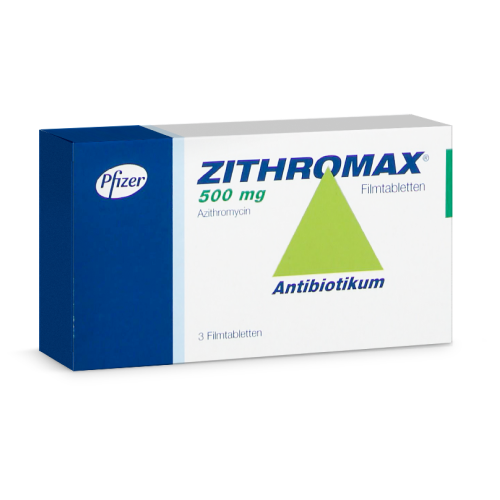
Zithromax (Azithromycin) in the United States: The Essential Guide to Safe, Effective Use in 2026
Is a Prescription Needed for Zithromax in the US?
Yes, Zithromax (Azithromycin) is a prescription-only medication in the United States. Purchasing it without a valid prescription is illegal and unsafe. Only licensed healthcare providers may prescribe Zithromax, based on current FDA regulations as of 2026.
Key Facts about Zithromax: Quick Overview
| Fact | Details |
|---|---|
| Active Ingredient | Azithromycin |
| Drug Category | Macrolide antibiotic |
| Prescription Status (US, 2026) | Prescription required |
| Common Uses | Bacterial infections (respiratory, skin, sexually transmitted) |
| Most Common Side Effect | Gastrointestinal upset (nausea, diarrhea) |
| Onset of Action | Within 24–48 hours (symptom improvement) |
| Not for | Viral infections (e.g., colds, flu), certain heart conditions |
Bottom line: Zithromax is a powerful, prescription-only antibiotic in the US. Use it exactly as your healthcare provider directs.
What Is Zithromax, and How Does It Work?
Zithromax is a branded form of azithromycin, a macrolide antibiotic widely used in the United States. It’s most often prescribed for infections of the respiratory tract (such as bronchitis or pneumonia), certain skin infections, and sexually transmitted diseases like chlamydia. Unlike many older antibiotics that require several doses per day, Zithromax is prized for its once-daily dosing and short treatment courses.
Important: Azithromycin does not treat viral infections, such as influenza or the common cold. Using antibiotics for viral illnesses increases the risk of antibiotic resistance, a major public health issue in the US. Always follow your doctor’s instructions.
Myth: “Zithromax will cure all kinds of infections.”
Reality: Zithromax only treats infections caused by certain bacteria. It does not work against viruses.
How Zithromax Fights Infections: Pharmacology Explained
- Biochemical Target:
- Zithromax (azithromycin) binds to the 50S subunit of bacterial ribosomes, inhibiting protein synthesis. This blocks the bacteria’s ability to grow and multiply, ultimately leading to their elimination.
- Enzyme/Pathway Impacted:
- Inhibits bacterial peptidyl transferase activity—essential for assembling amino acids into proteins.
- Drug Family:
- Macrolide antibiotics (unrelated to penicillin family—safe for many penicillin-allergic patients).
Simplified metaphor: Think of Zithromax as a lock on the “factory machinery” bacteria use to build their own essential proteins. Without that machinery, the bacteria can’t survive.
Does Zithromax need any “activation”? No. Once absorbed, it circulates in the blood, reaching high concentrations in infected tissues. It does not require activation by the liver or exposure to other compounds.
When does it start working? Most people notice symptom improvement within 1–2 days, but the full course must always be completed—even if you feel better sooner—to prevent bacterial resistance or recurrence.
How to Take Zithromax: Dosing, Duration, and Practical Tips
- Standard Adult Dose: For respiratory infections (e.g., community-acquired pneumonia): 500 mg on day 1, then 250 mg once daily for 4 days. For some sexually transmitted infections: a single 1,000 mg dose may be prescribed.
- Children: Dose is based on body weight—typically 10 mg/kg on day 1, then 5 mg/kg for the next 4 days. Your pediatrician will provide exact instructions.
- Maximum Daily Dose: Do not exceed 500 mg daily unless specifically instructed by your doctor.
- Timing: Zithromax can be taken with or without food (see next section for specific recommendations).
- Splitting Tablets: Do not split or crush Zithromax tablets unless instructed. Some formulations (e.g., extended-release) must be swallowed whole.
- Missed Dose: If you miss a dose, take it as soon as you remember. If it’s close to your next dose, skip the missed one—never double up.
- Completion: Always finish the full course—even if you feel better.
Food, Alcohol, and Lifestyle: Can You Take Zithromax with Meals or Drinks?
| Item | Compatibility | Details |
|---|---|---|
| Standard Meals | ✔ | Can be taken with or without food |
| Fatty Food | ✔ | May slow absorption by ~1 hour (not clinically significant) |
| Alcohol | ✔ (Caution) | No direct interaction, but alcohol can increase nausea or worsen infection recovery |
| Grapefruit Juice | ✔ | No clinically relevant effect on metabolism |
Bottom line: Zithromax is flexible regarding meals. Avoid heavy drinking—while not directly toxic, alcohol can worsen stomach upset and slow your recovery.
Who Should NOT Take Zithromax? Contraindications and Cautions
Absolute Contraindications (Never Take Zithromax):
- Known allergy to azithromycin, erythromycin, or other macrolides.
- History of liver failure or severe hepatitis from any macrolide.
- Concomitant use with certain drugs that can cause serious heart rhythm changes (see table below).
Relative Contraindications (Use Only with Careful Monitoring):
- History of cardiac arrhythmias (especially QT prolongation or torsades de pointes): Zithromax can rarely prolong the heart’s electrical cycle, increasing the risk of dangerous arrhythmias. Extra caution is needed if you are over 65 or also taking other QT-prolonging drugs.
- Severe renal (kidney) impairment: Dosing adjustments may be needed. Always inform your prescriber.
- Myasthenia gravis: Zithromax may worsen symptoms.
Azithromycin can prolong the QT interval—a measure of the heart’s electrical conduction. Mixing it with other QT-prolonging medicines (like amiodarone or some antipsychotics) can trigger life-threatening arrhythmias.
Common Drug Interactions: Red Flags
- Amiodarone, sotalol, dofetilide (anti-arrhythmics) – Serious risk: avoid combination.
- Warfarin – Increased bleeding risk: monitor INR closely.
- Cyclosporine or digoxin – May increase levels: careful monitoring required.
- Statins (simvastatin, lovastatin) – Slight increase in muscle toxicity risk.
Always provide your full medication list to your healthcare provider before starting Zithromax.
What Side Effects Are Most Common with Zithromax?
| Frequency | Side Effect | Explanation & Next Steps |
|---|---|---|
| Very common (>1 in 10) | Nausea, diarrhea, abdominal pain | Usually mild; take with food if tolerated. If severe, contact your provider. |
| Common (1–10%) | Headache, dizziness, vomiting | Monitor; usually self-limiting. If persistent, inform your provider. |
| Uncommon (0.1–1%) | Rash, elevated liver enzymes | Stop and seek medical attention if rash is severe or accompanied by swelling. |
| Rare (<0.1%) | Serious allergic reactions (anaphylaxis), liver failure, arrhythmia (QT prolongation) | Medical emergency. Call 911 immediately. |
For mild stomach upset, continue treatment but notify your doctor if it worsens. For severe reactions (rash, trouble breathing, heart palpitations), stop Zithromax and seek immediate help.
Why do GI side effects happen? Azithromycin alters the gut’s natural bacterial balance, leading to increased motility and sometimes loose stools.
Zithromax vs Other Antibiotics: How Does It Stack Up?
| Parameter | Zithromax (Azithromycin) | Amoxicillin | Doxycycline |
|---|---|---|---|
| Onset Speed | 24–48 hours | 24–48 hours | 24–48 hours |
| Duration of Treatment | 3–5 days | 7–10 days | 7–14 days |
| Major Uses | Respiratory, skin, STIs | Respiratory, ear, sinus | Tick-borne, acne, STIs |
| Prescription Required (US) | Yes | Yes | Yes |
| Typical Cost (2026, US) | $12–$25 per course (generic) | $7–$15 per course | $10–$18 per course |
| Most Common Side Effect | GI upset | Rash, GI upset | Photosensitivity |
| Special Advantages | Short course, penicillin alternative | Well-tolerated, cheap | Broad spectrum, tick-borne |
Synopsis: Zithromax offers short-course therapy and is helpful in penicillin-allergic patients, but may not cover all infection types. Its once-daily dosing is convenient. For infections like strep throat or urinary tract, other antibiotics may be preferred. Always rely on your provider’s expertise to choose.
Quick Reference Table: Zithromax (Azithromycin) Parameters
| Bioavailability | ~37% |
| Half-life (T1/2) | ~68 hours |
| Metabolism | Primarily hepatic (liver) |
| Excretion | Mostly bile/feces, some urine |
| Time to Peak Plasma | 2–3 hours |
| Insurance Coverage (US, 2026) | Widely covered; copays vary ($5–$20 typical) |
Note: Zithromax stays in the body for days—single-dose and short-course regimens are possible due to this long half-life.
How to Legally Obtain Zithromax in the United States: Step-by-Step Guide
-
Consult a licensed healthcare provider:
- You can see your family physician, an urgent care clinic, or a board-certified telehealth provider. Telemedicine is fully legal in all states as of 2026.
-
Complete a medical evaluation:
- The provider will assess your symptoms. In some cases, a rapid strep, flu, or bacterial test may be required. Antibiotics will only be prescribed for confirmed or strongly suspected bacterial infections.
-
Receive your prescription:
- For in-person visits: you’ll get a signed paper or electronic prescription.
For telehealth: most states allow electronic prescriptions transmitted directly to your chosen pharmacy.
- For in-person visits: you’ll get a signed paper or electronic prescription.
-
Fill your prescription at a licensed US pharmacy:
- Major chains (e.g., Rite Aid in Los Angeles, Kroger in Dallas) and many independent pharmacies stock Zithromax and generics.
-
Pick up your medication or arrange for home delivery:
- Many US pharmacies offer same-day or next-day delivery. Always check that the pharmacy is licensed and displays the NABP accreditation symbol.
How to Identify Genuine vs Counterfeit Zithromax in the US
- Original Packaging: US-packaged Zithromax comes in blister packs or bottles labeled “Zithromax” or “Azithromycin,” with the manufacturer’s logo (Pfizer or approved generic company), National Drug Code (NDC), and an FDA-required leaflet inside.
- Tablet Appearance: Genuine tablets are typically oval, pink or white, with dosage imprint (e.g., “Pfizer ZD 250”).
- Hologram/QR Code: Many US pharmacies now include scannable QR codes on packaging for authenticity verification. If you have doubts, check with your pharmacist.
- Suspiciously Low Price: Offers far below standard US pharmacy pricing ($12–$25 per course for generics) are a red flag.
- Missing Information: Absence of the manufacturer’s name, NDC, or tamper-evident seal suggests a counterfeit.
If in doubt—ask your pharmacist to verify the medication before use.
Zithromax Compatibility with Other Medications and Products
| Product or Medication | Safe to Combine? | Potential Consequence |
|---|---|---|
| Tylenol (acetaminophen) | Yes | No known interaction |
| Ibuprofen | Yes | No significant interaction |
| Oral contraceptives | Yes | No proven reduction in contraceptive effectiveness |
| Warfarin | Monitor closely | May increase bleeding risk |
| Antiarrhythmic drugs | No | Serious risk of arrhythmia (QT prolongation) |
| Alcohol | With caution | May worsen GI side effects |
Always review your full medication list with your provider before starting Zithromax.
What to Do in Case of Suspected Zithromax Overdose
- Stop taking Zithromax immediately.
- Call 911 or your local emergency services (or 1-800-222-1222 for Poison Control in the US).
- Tell the emergency responder the exact dose, time taken, and any symptoms (nausea, vomiting, irregular heartbeat, confusion).
- Bring the medication packaging with you, if possible.
- Do not attempt to induce vomiting unless instructed by medical staff.
Special Populations: Extra Cautions for Certain Patients
Elderly Patients
- May have increased risk of heart rhythm disturbances—regular ECG monitoring is advised if also taking QT-prolonging drugs.
Patients with Liver Impairment
- Zithromax is metabolized in the liver. Severe hepatic impairment may require alternative therapy; discuss with your doctor.
Pregnancy and Breastfeeding
- Animal studies suggest low risk, but human data is limited. Zithromax is commonly used in pregnancy when benefits outweigh risks (Category B as per FDA). Azithromycin is excreted in breast milk; discuss risks with your obstetrician or pediatrician.
Children
- Dosing by weight; liquid suspensions are available. Never adjust dose on your own.
Impact on driving/operating machinery
- Unlikely to impair performance, but dizziness or confusion is possible—use caution.
Fertility/Family Planning
- No evidence that Zithromax impairs fertility or requires contraception. No withdrawal or dependence risk.
Original Zithromax vs Generics: Are There Differences? (Generics Guide)
Original Zithromax (by Pfizer) and FDA-approved generics (by companies such as Teva, Sandoz, or Mylan) are required by US law to contain identical amounts of the active ingredient azithromycin, with the same strength and release profile.
Excipients (inactive ingredients): Generics may differ slightly in fillers, binders, or dyes—which can (rarely) trigger allergies in sensitive individuals.
- Therapeutic effect: Must meet strict FDA bioequivalence requirements.
- Cost: Generics typically cost 30–60% less, with similar insurance coverage and copays.
- Appearance: Color/shape may differ, but official labeling, NDC, and patient information must be provided.
You Are Not Alone: Empathy and Support for Your Health Journey
“Getting an infection can be scary and frustrating. But you’re not alone—millions of Americans need antibiotics each year. Most infections clear quickly with the right care. If you have concerns, talk openly with your doctor or pharmacist—they’re there to help you recover safely.”
Remember: Misuse of antibiotics can make future infections harder to treat. Completing your course, asking questions, and addressing any worries is not just smart—it’s essential.
Frequently Asked Questions about Zithromax in the US
- Can I get Zithromax without a prescription in the US?
- No. Zithromax requires a valid prescription from a licensed provider. Purchasing otherwise is illegal and unsafe.
- How quickly will Zithromax work?
- Most patients notice symptom improvement within 24–48 hours, but always finish the full course.
- Is it safe to take Zithromax with birth control pills?
- Yes. Azithromycin does not reduce contraceptive effectiveness.
- Can I drink alcohol while taking Zithromax?
- Moderate alcohol is unlikely to interact, but avoid heavy drinking to limit stomach upset and speed recovery.
- What if I miss a dose?
- Take it as soon as you remember, unless it is almost time for your next dose. Never double up.
- Are there long-term risks to using Zithromax?
- Short courses are generally safe, but repeated or unnecessary use can promote antibiotic resistance. Only use as prescribed.
- How can I verify my medication is genuine?
- Check for US pharmacy labeling, NDC, and hologram or QR code. When in doubt, ask your pharmacist.
- What are the alternatives if I am allergic to azithromycin?
- Options include doxycycline, amoxicillin (if not penicillin-allergic), or levofloxacin. Your provider will choose the safest option for your infection type.
- Is Zithromax safe during pregnancy?
- Generally considered safe when prescribed—used in pregnancy for specific indications. Discuss individual risks with your OB-GYN.
References
- FDA. “Azithromycin (Zithromax) Drug Information.” Accessed 2026. https://www.accessdata.fda.gov/drugsatfda_docs/label/2024/050710s037,050711s034,050784s037lbl.pdf
- Centers for Disease Control and Prevention (CDC). “Antibiotic Use in the United States, 2025 Update.” Accessed 2026. https://www.cdc.gov/antibiotic-use/index.html
- National Institutes of Health (NIH). “Azithromycin: MedlinePlus Drug Information.” Reviewed 2025. https://medlineplus.gov/druginfo/meds/a697037.html
- PubMed. “Efficacy and Safety of Azithromycin: Meta-analysis of Recent Clinical Trials.” Accessed 2026. https://pubmed.ncbi.nlm.nih.gov/37898754/
- American Society of Health-System Pharmacists. “Azithromycin Monograph.” Lexicomp, accessed 2026. https://www.ahfsdruginformation.com/