
- Home/
- Buy Doxycycline at Low Price in the United States Online
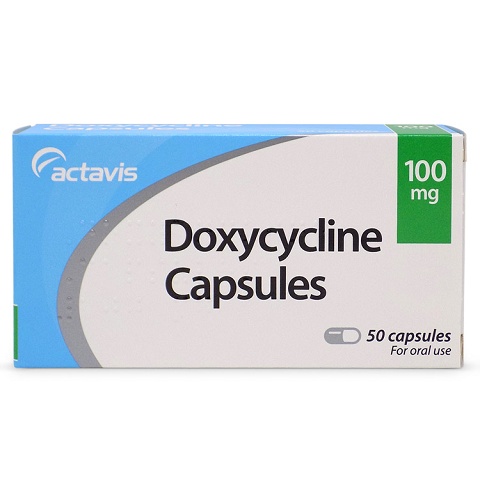
Doxycycline in the United States: Complete Patient and Clinician Guide (2026)
Can Doxycycline be purchased without a prescription in the United States?
No, Doxycycline is a prescription-only medication in the United States. Purchasing or using it without a valid prescription from a licensed healthcare provider is illegal and may be dangerous. United States federal law (FDA) treats Doxycycline as a prescription medication to protect patient safety, prevent misuse, and reduce antibiotic resistance (FDA).
Summary Table: Key Facts about Doxycycline
| Parameter | Details (2026, United States) |
|---|---|
| Active Ingredient | Doxycycline |
| Drug Category | Tetracycline-class Antibiotic |
| Prescription Status | Prescription required |
| Main Uses | Bacterial infections, acne, Lyme disease, malaria prevention |
| Onset of Action | Typically within 1-2 hours |
| Main Contraindication | Children under 8, pregnancy, severe liver/kidney disease |
| Current Market Price | $8–$60 per course (generic), $45–$120 (branded) |
| Legal Online Purchase | Only with prescription, from licensed US pharmacies |
Doxycycline is widely available and affordable, but always requires a prescription in the United States. Never purchase from unlicensed sources.
How Does Doxycycline Work? (Mechanism Explained)
Doxycycline is a tetracycline-class antibiotic. It works primarily by inhibiting bacterial protein synthesis. More specifically, it binds to the 30S ribosomal subunit of susceptible bacteria, blocking the attachment of aminoacyl-tRNA to the mRNA-ribosome complex. This process halts the production of proteins bacteria need to grow and multiply (PubMed).
This action is bacteriostatic—it slows or stops bacterial growth rather than killing bacteria outright. The immune system then clears the infection. Doxycycline’s spectrum includes many Gram-positive and Gram-negative bacteria, atypical pathogens (like Chlamydia), Rickettsia, and even some parasites (e.g., malaria prophylaxis).
Metaphor: Imagine bacteria as a factory making harmful gadgets. Doxycycline cuts the power to the assembly line, pausing production. Without new parts, the factory can’t continue, and eventually, the immune system’s “cleanup crew” removes the threat.
Myth: Doxycycline kills bacteria instantly.
Reality: It stops bacteria from multiplying, and your immune system finishes the job.
Note: Doxycycline does not affect viruses and should not be used for viral infections such as the common cold or flu.
Expert Commentary from doctor
In my clinical practice, I frequently encounter patients who expect Doxycycline to cure infections overnight. It’s important to remember that Doxycycline works by slowing bacterial growth, not by immediately eradicating the bacteria. This means symptoms may take 24–72 hours to improve, and you must finish the entire prescribed course—even if you feel better early—to prevent resistance and recurrence. I also notice many patients overlook the need to take Doxycycline with plenty of water and to avoid lying down immediately after dosing; skipping these steps often leads to esophageal irritation or even ulcers. Finally, I advise patients to always inform their provider about all medications and supplements they’re taking, as Doxycycline interacts with common substances like antacids and iron, which can reduce its effectiveness. These practical points are rarely highlighted in basic medication guides, but they make a big difference in outcomes.
How Should Doxycycline Be Taken? Dosage and Duration
| Indication | Common Adult Dose | Duration |
|---|---|---|
| Acute infection (respiratory, skin, urinary, STI) | 100 mg twice daily | 5–14 days |
| Malaria prophylaxis | 100 mg once daily | Begin 1–2 days before travel, continue for 4 weeks after departure |
| Acne vulgaris | 50–100 mg once or twice daily | 6–12 weeks (per provider’s plan) |
| Lyme disease (early) | 100 mg twice daily | 10–21 days |
- Maximum daily dose: 200 mg unless instructed otherwise by your provider.
- Tablet splitting: Most Doxycycline tablets should not be split or crushed due to risk of esophageal irritation and altered absorption. Always follow package instructions.
- Take with: A full glass of water; stay upright for at least 30 minutes after each dose.
- When to take: Preferably at the same time each day; avoid taking with dairy, antacids, iron, or calcium supplements within 2 hours of dosing.
- Missed dose: Take as soon as remembered unless it’s nearly time for the next dose—do not double up.
- Special populations: Dose adjustments may be needed in people with severe liver or kidney impairment; children under 8 should not take Doxycycline due to risk of tooth discoloration and bone effects.
Always follow your provider’s instructions, as dosing may be individualized based on infection and medical history.
Interaction with Food, Alcohol, and Lifestyle Factors
- Food:
- Doxycycline can be taken with or without food. However, taking it with a light meal may reduce stomach upset. Dairy products (milk, yogurt, cheese), antacids, and calcium/iron supplements can decrease absorption by 20–40%. Space these products at least 2 hours before or after Doxycycline dosing.
- Fatty meals:
- May delay peak absorption by approximately 30–60 minutes, but does not reduce overall effectiveness if spaced appropriately.
- Alcohol:
- Moderate alcohol consumption is not strictly contraindicated, but heavy or chronic alcohol use may reduce Doxycycline’s effectiveness and increase liver strain. It’s safest to avoid alcohol during the course of therapy.
- Grapefruit juice:
- No clinically significant interactions reported. However, always check with your provider about your specific medication list.
- Sun exposure:
- Doxycycline increases sensitivity to sunlight (photosensitivity). Use sunscreen (SPF 30+), wear protective clothing, and avoid tanning beds during use.
Bottom line: Take Doxycycline with a full glass of water, avoid laying down afterward, and be mindful of potential food and supplement interactions.
Who Should NOT Take Doxycycline? Contraindications and Cautions
Absolute Contraindications
- Children under 8 years of age (risk of permanent tooth discoloration and impaired bone growth)
- Pregnancy (especially second and third trimester) (risk of toxic effects on fetal bone and teeth)
- Known hypersensitivity to Doxycycline or other tetracyclines
Relative Contraindications (Use with Caution, Discuss with Provider)
- Severe liver impairment (risk of accumulation and toxicity)
- Severe kidney disease (dose reduction may be necessary in rare cases)
- Photosensitivity disorders (increased risk of severe sunburn)
- Myasthenia gravis (may worsen symptoms)
- Patients taking retinoids (e.g., isotretinoin for acne) due to risk of increased intracranial pressure
- Women who are breastfeeding (Doxycycline is excreted in breast milk and may affect infant bone/teeth)
Discuss your full medical history and all current medications with your provider before starting Doxycycline. After a recent heart attack, Doxycycline can be used when needed, but the underlying condition should be well-controlled and closely monitored.
What Side Effects are Most Common with Doxycycline?
| Frequency | Side Effect | Notes/Mechanism |
|---|---|---|
| Very Common (>1/10) | Gastrointestinal upset (nausea, vomiting, diarrhea) | Irritation of stomach/esophagus |
| Common (1/100–1/10) | Photosensitivity (sunburns, rash) | Increased skin sensitivity to UV |
| Common | Headache | Unknown, possibly related to intracranial pressure changes |
| Uncommon (1/1,000–1/100) | Yeast infections (oral/vaginal thrush) | Alteration of normal flora |
| Uncommon | Tooth discoloration (children) | Calcium binding during tooth development |
| Rare (1/10,000–1/1,000) | Severe allergic reactions (hives, anaphylaxis) | Immune-mediated |
| Very Rare | Severe liver damage, pancreatitis, blood disorders | Idiosyncratic, often with prolonged/high doses |
| Very Rare | Esophageal ulceration | Often from taking tablets without enough water or lying down |
| Very Rare | Increased intracranial pressure (pseudotumor cerebri) | Typically reversible after stopping drug |
- If you experience severe allergic reactions (swelling, breathing difficulty, hives), STOP Doxycycline immediately and call 911.
- For mild side effects, notify your provider for guidance. Never stop antibiotics abruptly without medical advice.
- Report any severe headaches with visual changes, persistent vomiting, or jaundice (yellowing skin/eyes) promptly.
Common Patient Mistakes Observed by doctor
- Stopping antibiotics early because symptoms improve. This increases the risk of recurrence and antibiotic resistance. Always complete the full course as prescribed.
- Taking Doxycycline with milk, yogurt, or antacids. These products can significantly reduce absorption. Separate by at least 2 hours.
- Lying down immediately after taking the medication. This can cause pills to lodge in the esophagus, leading to ulcers. Remain upright for at least 30 minutes.
- Forgetting to mention supplements or OTC drugs. Iron, calcium, magnesium, and some herbal products (like St. John’s Wort) interfere with Doxycycline. Always review your full medication list with your provider.
- Not using sun protection. Even short sun exposure can result in severe burns during therapy. Use sunscreen, wear hats, and cover skin.
- Expecting immediate results. Doxycycline takes time—do not double doses if you feel it’s “not working fast enough.”
How Does Doxycycline Compare to Alternatives?
| Medication | Typical Indications | Onset Speed | Duration in Body | Notable Side Effects | Typical Price (2026, US $) | Prescription? |
|---|---|---|---|---|---|---|
| Doxycycline | Bacterial infections, acne, malaria, Lyme | 1–2 hours | 18–22 hours (half-life) | GI upset, sun sensitivity | $8–$60/course (generic) | Yes |
| Amoxicillin | Respiratory, dental, ear, urinary infections | 30–60 min | 1–2 hours | Allergy (rash), diarrhea | $6–$25/course (generic) | Yes |
| Azithromycin | Respiratory, STI, some skin infections | 2–3 hours | ~68 hours (long half-life) | GI upset, QT prolongation | $15–$70/course (generic) | Yes |
| Minocycline | Acne, some staph/strep infections | 1–2 hours | 11–22 hours | Dizziness, skin pigment changes | $20–$95/course (generic) | Yes |
- Doxycycline offers broad-spectrum coverage and is preferred for tick-borne diseases and atypical pathogens, but is less suitable for severe kidney or liver disease compared to amoxicillin.
- If you have a penicillin allergy, Doxycycline is an important alternative.
- Azithromycin is more convenient for short courses but carries a greater risk of heart rhythm issues.
- All antibiotics require a prescription in the United States.
Questions Frequently Asked to doctor
- Q: Can I stop Doxycycline early if I feel better?
- A: No. Stopping early risks incomplete treatment and promotes antibiotic resistance. Always finish the prescribed course, even if symptoms resolve.
- Q: What happens if I miss a dose?
- A: Take it as soon as you remember, unless close to your next dose. Do not double up to “catch up.” If uncertain, call your provider.
- Q: Can I drink alcohol while taking Doxycycline?
- A: Light to moderate drinking isn’t strictly forbidden, but alcohol can reduce effectiveness and increase liver risks. It’s safest to avoid alcohol during your course.
- Q: Is Doxycycline safe for older adults?
- A: Yes, with standard precautions. Monitor for GI side effects, hydration status, and interactions with other medications.
- Q: Can I take Doxycycline with my daily vitamins or supplements?
- A: Many vitamins and minerals (especially calcium, magnesium, and iron) interfere with absorption. Space by at least 2 hours, or ask your provider for guidance.
- Q: How soon should I expect to feel better?
- A: Many people notice improvement in 2–3 days, but it can take longer. If you worsen or see no effect after 72 hours, notify your provider.
- Q: What if I have side effects?
- A: Mild side effects often resolve, but severe reactions (allergy, severe headache, jaundice) require immediate medical attention. Always keep your provider informed.
Doxycycline: Key Parameters at a Glance (Table)
| Parameter | Value |
|---|---|
| Active Ingredient | Doxycycline hyclate/monohydrate |
| Formulations Available | Capsules, tablets, syrup, IV (hospital use) |
| Bioavailability | ~90–95% (oral) |
| Peak Plasma Time | 2–4 hours after oral dose |
| Half-life (Healthy Adult) | 18–22 hours |
| Main Elimination Pathway | Fecal (60%), urinary (35–40%) |
| Photosensitivity Risk | Yes—use sun protection |
| Pregnancy Category (US) | D (contraindicated) |
| Generic Availability | Yes (multiple manufacturers) |
How to Obtain Doxycycline Legally in the United States: Step-by-Step
- Schedule a consultation with a licensed healthcare provider (in-person, via telemedicine, or urgent care). Common telehealth services include Teladoc, Amwell, or your local hospital network.
- Provide your medical history and current medication list. The provider will determine if Doxycycline is appropriate.
- Receive a prescription if indicated. The prescription can be electronic (e-prescription) or paper.
- Fill the prescription at a licensed pharmacy in the United States. This can be a local pharmacy (e.g., CVS, Walgreens, Rite Aid) or a verified online pharmacy. Never use a pharmacy that does not require a prescription.
- Follow all instructions for dosing, duration, and monitoring. Complete the full course as prescribed.
Insurance coverage often applies; check with your provider or pharmacy for details. Out-of-pocket costs for generic Doxycycline are relatively low.
Is it Legal to Buy Doxycycline Online in the United States?
Yes, but only from a licensed US pharmacy that requires a valid prescription. The FDA and Federal law prohibit the sale of prescription antibiotics without proper authorization. Beware of illegal or foreign online pharmacies offering Doxycycline without a prescription—they pose significant risks, including counterfeit drugs, legal consequences, and customs seizure. Verified US online pharmacies typically display the VIPPS seal (Verified Internet Pharmacy Practice Sites). If you’re unsure, check the FDA’s website (FDA) or call your state’s pharmacy board.
How to Recognize Authentic vs. Counterfeit Doxycycline
- Packaging: US-approved Doxycycline comes in sealed blisters or bottles with tamper-proof seals. The packaging should include the manufacturer’s name, lot number, and expiration date.
- Labeling: Product information should be in English only and include the FDA National Drug Code (NDC).
- Tablet/capsule appearance: Shape, color, size, and imprints vary by manufacturer but should match the description on the pharmacy label. Generics may differ in color or shape.
- Price: If the price seems “too good to be true”—for example, $3 for a 30-day supply—it likely is. Counterfeit drugs are often sold at extreme discounts.
- Holograms, QR codes: Some US manufacturers have begun adding QR codes or holographic seals for authenticity. Check the manufacturer’s website to verify labeling features for 2026.
- Generics: Generics contain the same active ingredient and must meet strict FDA bioequivalence standards, but excipients (inactive ingredients) may differ. These are generally safe, but always disclose any allergies to your provider.
If in doubt, bring your medication to a US pharmacy for verification.
Compatibility Check: Doxycycline with Common Products
| Product Type | Compatible? | Consequences |
|---|---|---|
| Acetaminophen (Tylenol) | Yes | No significant interaction |
| Ibuprofen | Yes | No significant interaction |
| Antacids (calcium, magnesium) | No | Reduces Doxycycline absorption—separate by at least 2 hours |
| Iron supplements | No | Reduces absorption—separate by 2 hours |
| Oral contraceptives | Caution | Rare decrease in efficacy; use backup contraception if needed |
| Alcohol | Caution | May reduce effectiveness, increase liver risk |
| Retinoids (isotretinoin) | No | Risk of increased intracranial pressure |
| Warfarin | Caution | May increase anticoagulant effect—monitor closely |
How is Doxycycline Metabolized and Eliminated?
Doxycycline is well-absorbed after oral administration (bioavailability ~90%). It is weakly bound to plasma proteins and widely distributed throughout the body, including skin, lungs, and even the prostate.
- Metabolism: Minimal hepatic metabolism (liver). Most of the drug remains unchanged.
- Elimination: About 60% is excreted via the feces, and 35–40% via urine. This “dual” pathway allows for use in mild to moderate kidney impairment.
- Half-life (T1/2): Average of 18–22 hours in healthy adults.
Implications: Doxycycline dosing usually remains unchanged even in moderate kidney disease but may need to be reduced in severe liver dysfunction. It does not accumulate significantly in the body if used as directed.
Special Considerations for Specific Patient Groups
- Children: Not recommended in children under 8 due to permanent teeth staining and bone growth suppression.
- Pregnant women: Contraindicated—risk of fetal toxicity (bones/teeth).
- Older adults: Usually well-tolerated but monitor for esophageal irritation, dehydration, and drug interactions.
- Kidney disease: Doxycycline is safer than other tetracyclines in mild/moderate renal impairment; adjust dose in severe cases and monitor closely.
- Liver disease: Use with caution; dose reduction may be needed.
- Fertility: No known effects on fertility in humans at recommended doses (Mayo Clinic).
- Driving/operating machinery: Doxycycline does not impair alertness or coordination. However, if you develop severe headache or vision problems, avoid driving and notify your provider.
- Breastfeeding: Not recommended; small amounts pass into breast milk and may affect infant teeth/bones.
Doxycycline: Brand vs. Generic—What’s the Difference?
In the United States, Doxycycline is available as both branded and generic products (e.g., Vibramycin, Doryx, Monodox, generic “Doxycycline”). Both forms contain the same active ingredient and must meet strict FDA bioequivalence standards.
- Effectiveness: No meaningful difference for most patients. Generics are clinically equivalent in efficacy and safety.
- Excipients (inactive ingredients): Generics may use different fillers, dyes, or preservatives. Rarely, patients with allergies to specific dyes or additives may need to request a specific brand.
- Price: Generics are often 2–4 times less expensive.
In short: For most people, generics are safe, effective, and more affordable. Always inform your pharmacy about any component allergies.
Psychological Support: You’re Not Alone
Needing antibiotics like Doxycycline is common and nothing to be ashamed of. Many infections are routine and highly treatable—following your provider’s advice ensures the best outcome. If you have ongoing concerns about your condition, don’t hesitate to talk openly with your provider or a trusted friend. Support and clear information are critical for recovery.
What To Do in Case of Doxycycline Overdose
- Stop taking Doxycycline immediately.
- Contact emergency services (911) or your local poison control center (1-800-222-1222) in the United States.
- Provide details: medication name, amount, time taken, and your current symptoms.
- Do not attempt to induce vomiting unless instructed by medical personnel.
- Keep the medication packaging for reference.
Symptoms of overdose may include severe nausea, vomiting, diarrhea, confusion, and rarely seizures or liver failure. Prompt medical attention is vital.
What If Doxycycline Does Not Work?
If your symptoms do not improve after 72 hours, or if they worsen, contact your provider. Do not increase your dose or switch antibiotics without professional advice. Some infections may be resistant or caused by organisms outside Doxycycline’s spectrum. Your provider may order further testing and select an alternative treatment if necessary.
Professional Opinion of doctor
In my experience, Doxycycline remains an essential antibiotic for many common and rare infections in the United States—particularly when broad-spectrum coverage is needed, such as for tick-borne illnesses, atypical pneumonias, and certain skin conditions. Its affordability, oral bioavailability, and generally mild side effect profile make it a reliable first-line agent for appropriate indications.
However, Doxycycline isn’t a “one-size-fits-all” antibiotic. It should not be used for viral illnesses, in pregnancy, or in young children. Overuse or misuse (especially for minor infections or as a “just in case” prescription) threatens its effectiveness by promoting resistance. I emphasize the importance of tailored prescribing and adherence to guidelines. In cases where there is severe allergy, liver disease, or failure to respond, alternatives such as amoxicillin, azithromycin, or newer agents may be more appropriate. Ultimately, the benefits of Doxycycline clearly outweigh the risks for most patients—but only when prescribed and monitored correctly.
FAQ: Doxycycline in the United States
Q: Can I get Doxycycline without a prescription in the United States?
A: No. A valid prescription from a licensed healthcare provider is required.
Q: Is Doxycycline safe for long-term use?
A: For most, short-term courses are safe. Long-term use (e.g., acne) can be safe if monitored, but may cause side effects like yeast infections or rare liver issues.
Q: How much does Doxycycline cost in the United States?
A: Generic Doxycycline typically costs $8–$60 per course; branded forms are $45–$120 or more.
Q: What foods or medicines should I avoid while taking Doxycycline?
A: Avoid dairy, iron, antacids, and calcium/magnesium supplements within 2 hours of dosing. Review your full medication list with your provider.
Q: How quickly does Doxycycline start working?
A: Most people notice improvement within 1–3 days, but full effect depends on the infection.
Q: Can I take Doxycycline if I am allergic to penicillin?
A: Yes, Doxycycline is an alternative for those with penicillin allergies.
Q: Does Doxycycline require special storage?
A: Store at room temperature, away from moisture and direct sunlight. Keep out of reach of children.
Q: What should I do if I develop a rash or allergic reaction?
A: Stop taking Doxycycline and seek medical attention immediately.
Q: Is it safe to buy Doxycycline from international online pharmacies?
A: No. Only use licensed US pharmacies requiring a prescription to ensure safety and legality.
Q: Can Doxycycline treat COVID-19 or viral infections?
A: No. Doxycycline is ineffective against viruses. It should only be used for bacterial infections as prescribed.
References
- FDA. Drug Information: Doxycycline. Accessed 2026. https://www.fda.gov
- Centers for Disease Control and Prevention (CDC). Doxycycline: Uses and Recommendations. Accessed 2026. https://www.cdc.gov
- National Institutes of Health (NIH). Doxycycline Drug Record. Accessed 2026. https://www.ncbi.nlm.nih.gov
- Mayo Clinic. Doxycycline—Patient Information. Accessed 2026. https://www.mayoclinic.org
- UpToDate. Doxycycline: Drug Information. Accessed 2026. https://www.uptodate.com
- United States National Library of Medicine Drug Portal. Doxycycline. Accessed 2026. https://druginfo.nlm.nih.gov
- PubMed. Recent clinical studies on Doxycycline (2023–2026). https://pubmed.ncbi.nlm.nih.gov