

- Home/
- Buy Glucophage Without Prescription in the United States Online
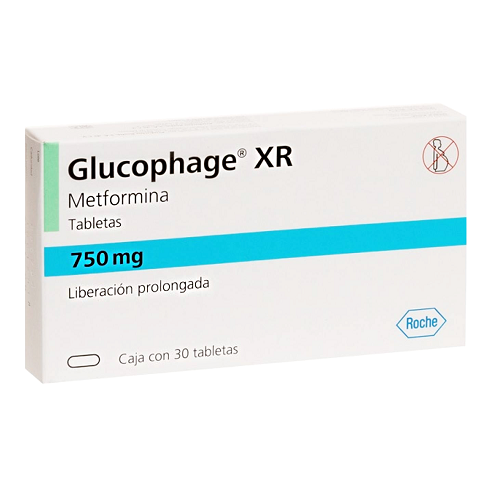
Glucophage is a prescription medication containing metformin, used to treat type 2 diabetes in adults and some children. For most patients in the United States, Glucophage is the first medicine their doctor prescribes after diagnosis—because it lowers blood sugar without causing weight gain or low blood sugar episodes in the way many alternatives do. Before starting Glucophage, know this: how your body tolerates it in the first few weeks will shape how well it works and whether you stick with it long-term.
Glucophage: The Real Start Line in Type 2 Diabetes
There’s a moment, sometime between hearing your diagnosis and seeing your first prescription, when type 2 diabetes stops being hypothetical and starts being your reality. In the United States, more often than not, Glucophage marks that moment. For millions, it is the first prescription, the first bottle in the medicine cabinet, the first time they realize diabetes isn’t just about food or exercise—it’s about chemistry, and control, and sometimes, compromise.
Why Glucophage? Because it works. Because it’s safe for most people. Because, in a field crowded with new, expensive, and sometimes confusing options, it’s still the drug most doctors trust to start the journey. This is not just clinical inertia or habit. It’s the result of decades of evidence and experience, both in global studies and right here in American clinics.
“When I see a newly diagnosed patient with type 2 diabetes, Glucophage is almost always the first medication I reach for. Not because it’s perfect, but because—for most—it’s the foundation. It’s predictable, it’s affordable, and it doesn’t make patients gain weight or risk dangerous lows. That’s not true for every diabetes drug.”
This section isn’t about the pharmacology. This is about trust. If your doctor hands you a prescription for Glucophage, you’re in the mainstream of diabetes care—not the experimental fringe, not yesterday’s news. But just because it’s standard doesn’t mean it’s simple—or that it’s right for everyone, every time.
What Living with Glucophage Is Actually Like
Ask five people on Glucophage how it’s changed their daily lives, and you’ll get five very different answers. Some feel almost nothing—except for the numbers on their blood glucose meter quietly improving. Others remember the first week as a minefield: stomach cramps, gas, maybe a dash to the bathroom. For a few, the benefits build slowly; for others, the side effects mean an early switch to something else.
- Mornings with Glucophage: For most, the routine starts with swallowing a pill at breakfast—maybe with coffee, maybe with oatmeal, but always with food to keep the stomach calm.
- Numbers Tell the Story: Blood sugars often drop—sometimes dramatically, sometimes modestly—over the first weeks and months. The scale may shift down, too, if you’re lucky.
- Small Adjustments: Some get used to a rumble in the gut, especially early on. The wise keep a mental map of nearby restrooms, just in case. For many, these issues fade. For a few, they never really do.
- Appointments and Labs: Doctors will check your kidney function, sometimes your B12 levels, and always your A1c. Glucophage is not a set-it-and-forget-it drug—there’s follow-up, but it’s not constant monitoring.
- Insurance and Cost: In the U.S., Glucophage is available as a low-cost generic (metformin), covered by nearly every plan and even the big retail pharmacy discount programs. Few diabetes medications can say the same.
What’s missing from this list? Fear of hypoglycemia. Unlike sulfonylureas and insulin, Glucophage almost never causes blood sugar to drop dangerously low. That’s a daily-life difference you’ll feel, even if the medication itself is silent in your system.
Metformin Is the Heart of Glucophage—But What Makes It Different?
Metformin is as old as oral diabetes therapy gets. But the version you get when your doctor writes “Glucophage”—and the way it fits into modern treatment—has changed over the years. So what really sets it apart?
First, the basics: Metformin lowers blood sugar by making your body more sensitive to its own insulin and by reducing the sugar your liver produces overnight and between meals. Unlike many other diabetes drugs, it doesn’t force the pancreas to work harder or flood your system with extra insulin.
- Insulin Sensitizer
- Metformin helps your body use insulin more efficiently. This means lower blood sugar without pushing levels dangerously low.
- Liver Sugar Production
- It slows down your liver’s release of glucose, especially overnight, smoothing out the blood sugar roller coaster.
- Weight Neutrality
- Glucophage is one of the few diabetes medications that won’t cause weight gain. In some patients, it even helps with modest weight loss.
That’s the mechanism—but for patients, what matters more is the risk of side effects (especially in the gut), the low risk of hypoglycemia, and the long-term safety for heart and kidney health. Metformin’s biggest difference compared to alternatives? It does not add insulin to your system. That means less risk of dangerous lows, and—unlike insulin or sulfonylureas—it doesn’t encourage the body to store extra fat. For many, those are the differences that matter most, day after day.
How Glucophage Compares: Real Choices, Real Differences
| Attribute | Glucophage (Metformin) | SGLT2 Inhibitors (e.g., Jardiance) |
GLP-1 Agonists (e.g., Ozempic) |
Sulfonylureas (e.g., Glipizide) |
|---|---|---|---|---|
| Typical Use | First-line, nearly all patients unless contraindicated | Second-line, or for patients with heart/kidney risk | Second-line, or for weight loss focus | Older second-line, less used now |
| How It Works | Improves insulin sensitivity, lowers liver glucose output | Increases urine glucose excretion | Mimics gut hormone to increase insulin when needed | Stimulates insulin release regardless of blood sugar |
| Hypoglycemia Risk | Low (rare outside unusual circumstances) | Very low | Very low | Moderate to high |
| Weight Effect | Neutral or modest loss | Loss | Significant loss | Gain |
| Most Common Side Effect | Gastrointestinal upset (nausea, diarrhea) | Genital/urinary infections | Nausea, vomiting | Low blood sugar |
| Serious Risks | Lactic acidosis (rare) | Dehydration, ketoacidosis (rare) | Thyroid, pancreas issues (rare) | Severe hypoglycemia |
| Monitoring Needed | Kidney function, B12 (sometimes) | Kidney function, blood pressure | Gastrointestinal, thyroid (sometimes) | Blood sugar monitoring |
| Route & Frequency | Oral, 1-2 times daily | Oral, once daily | Injection, weekly or daily | Oral, 1-2 times daily |
| Prescription Status (U.S.) | Rx only | Rx only | Rx only | Rx only |
| Typical Cost (U.S.) | Low, widely covered, $4–$10/month (generic) | High, often $400+/month without insurance | Very high, $800–$1200+/month without insurance | Low, generic |
Here’s what the table misses: In practice, Glucophage is the first stop because it balances effectiveness, safety, and affordability in a way no other diabetes medication quite does. Newer drugs have real advantages—like additional heart or kidney protection, or more weight loss—but almost always at a dramatically higher price and with less long-term safety data. For most patients, Glucophage is where treatment begins; alternatives are added or swapped only if there’s a compelling reason.
Your First Weeks on Glucophage: What to Expect, What to Watch
For many, the first few weeks on Glucophage are a test—of patience, of stomach, and sometimes of willpower. The good news: nearly all the side effects that matter show up here, not months later. The risk of a delayed surprise is low. Here’s what patients in the United States actually experience during this phase.
- Stomach Rebellion: Nausea, loose stools, cramping, and a sudden urgency to find a restroom are common early on. Most patients start with a low dose, increased gradually, specifically to blunt this effect.
- Blood Sugar Response: The first week’s glucose readings may not change much—but by week two or three, most see levels falling, sometimes faster than expected.
- Fatigue or Metallic Taste: Some notice a strange, metallic taste or a sense of tiredness. These usually fade, but not always. If they persist, your doctor may suggest a different formulation—like extended-release metformin.
- Lab Checks: Doctors in the U.S. will nearly always review recent kidney function and may check B12 levels at baseline or after a year. Glucophage is not started if kidneys are already significantly impaired.
- Adherence Hurdles: The biggest predictor of success? Making it through the first month. If you do, odds are good you’ll tolerate it long-term.
Clinical Tip: If your stomach can’t handle Glucophage after a week or two even on the lowest dose, ask your doctor about the extended-release version. Many patients find it much easier to tolerate, with fewer GI side effects.
Which Side Effects Matter Most with Glucophage—and When to Act
Most people who struggle with Glucophage do so because of their gut. Nausea, cramping, and diarrhea are so common they almost count as expected. The real question is: when are these just a nuisance, and when are they a reason to call your doctor?
There are rare side effects that absolutely require medical attention, even if you think they’re unrelated to the medication. Lactic acidosis is the most serious—dangerous, but extremely rare in people without major kidney, liver, or heart disease.
| Side Effect | How Often? | When Should You Contact a Doctor? |
|---|---|---|
| Nausea/abdominal discomfort | ~20-30% early on | If severe, persistent, or causing you to stop eating/drinking |
| Diarrhea | 10-20% in first weeks | If it does not improve after a week or leads to dehydration |
| Loss of appetite/metallic taste | Up to 10% | If you cannot maintain nutrition or hydration |
| Lactic acidosis (warning signs: muscle pain, rapid breathing, confusion, severe fatigue) | Very rare (<1 in 10,000) | Stop medication and seek emergency care—especially if you have kidney, liver, or heart failure |
| Vitamin B12 deficiency | ~5-10% over years | If you develop new numbness, fatigue, or anemia—ask your doctor to check B12 levels |
| Allergic reaction | Rare | Immediate medical attention if swelling, rash, or difficulty breathing occurs |
Most side effects are temporary or manageable. If you’re not sure whether a symptom is related to Glucophage—or if it’s dangerous—err on the side of calling your doctor.
When Not to Take Glucophage: The Red Lines Every Patient Needs to Know
Absolute Contraindications: Never start Glucophage if you have advanced kidney disease, severe liver disease, or acute heart failure. These conditions dramatically increase the risk of a rare but life-threatening complication called lactic acidosis—where your body cannot clear the drug, and acid builds up in the blood.
- Chronic Kidney Disease (eGFR Glucophage is not safe if your kidneys are severely impaired. Your doctor will order labs to check this before you start.
- Severe Liver Disease: Because the liver helps break down lactic acid, major liver disease is a red flag for Glucophage.
- Acute or Unstable Heart Failure: If your heart cannot pump blood effectively, your risk of lactic acidosis rises—Glucophage is not used in this situation.
Relative Contraindications: Surgery, recent heart attack, heavy alcohol use, or severe infection may require temporarily stopping Glucophage. Tell every provider you’re taking it—especially before any imaging test with IV contrast, as this can stress the kidneys.
Why these strict rules? It’s about risk—and the fact that, while metformin is safe for most, the few exceptions can be deadly if missed. If your health changes, especially with kidney, liver, or heart function, always check with your doctor before refilling your prescription.
Dosing in Real Life: How Doctors Actually Prescribe Glucophage
The chart in the prescribing information lays out a tidy range: start low, go up if tolerated, don’t exceed the maximum. But in real American clinics, the way Glucophage is dosed is both more individualized and more pragmatic than the package insert suggests.
| Patient Type | Initial Dose | Typical Titration | Max Dose | Notes |
|---|---|---|---|---|
| Adults (normal kidney function) | 500 mg once daily with food | Increase by 500 mg every 1-2 weeks as tolerated | 2000–2550 mg/day (split doses, varies by brand) | Most settle at 1000 mg twice daily or 2000 mg extended-release once daily |
| Older adults (age >65 or eGFR 30–45) | 500 mg once daily | Slower increase; may not exceed 1000–1500 mg/day | Max safe dose often lower | Kidney function checked regularly |
| Children (>10 years, diagnosed by specialist) | 500 mg once or twice daily | Increase by 500 mg every 1–2 weeks | 2000 mg/day (max recommended) | Pediatric endocrinologist supervision recommended |
For most patients, staying at the lowest dose that achieves good glucose control is best. Speeding up the dose increases side effects; patience pays off. Extended-release formulations (metformin XR/ER) are often easier on the stomach, though they may be more expensive, and some insurance plans in the U.S. require extra paperwork for these versions.
Getting Glucophage in the United States: Access, Cost, and Insurance Realities
In a landscape where the price of insulin and new diabetes drugs can leave patients reeling, Glucophage stands out for one reason: access. It is one of the few diabetes drugs that’s both broadly effective and affordable, even for uninsured patients in the United States.
- Prescription Required
- Glucophage is prescription-only in the U.S. No over-the-counter or non-prescription versions are legally available.
- Generic Metformin Availability
- Dozens of manufacturers supply metformin (the active ingredient in Glucophage) in both immediate- and extended-release forms. Pharmacists will often fill your prescription with a generic unless your doctor specifically requests the brand.
- Pharmacy Access
- Metformin is available at nearly every pharmacy in the U.S., from independent stores to large chains and mail-order services.
Cost is usually not a barrier. At major U.S. pharmacies, a month’s supply of generic metformin can be as low as $4–$10, even without insurance. Most insurance plans—including Medicare Part D—cover it as a tier 1 generic. The brand-name version (Glucophage) costs more and is rarely required except in rare cases of intolerance to generics.
Insurance Tip: Some extended-release forms may require prior authorization or higher copays. If you have trouble at the pharmacy, ask your doctor if a different formulation or generic is available that’s covered by your plan.
For those without insurance, major pharmacy chains and discount programs (like $4 generics at Walmart, Walgreens, or CVS) make metformin one of the most accessible prescription medications in the country.
Patients Ask: Glucophage FAQ
- Is Glucophage the same as metformin?
- Yes—Glucophage is the original brand name for metformin, the active ingredient. Most patients in the U.S. receive generic metformin, which is just as effective and safe when dispensed by a licensed pharmacy.
- How long will I have to take Glucophage?
- Most people with type 2 diabetes take Glucophage (or generic metformin) for years—sometimes for life. Doctors may adjust your dose or add other medications as your condition changes, but stopping Glucophage is uncommon unless there are side effects or specific medical reasons.
- Can Glucophage help me lose weight?
- Some patients lose a modest amount of weight—typically 2–5 pounds—especially if they make dietary and lifestyle changes at the same time. Glucophage is not a weight loss drug, but unlike many diabetes medications, it doesn’t cause weight gain.
- What should I do if I miss a dose?
- If you miss a dose, take it as soon as you remember—unless it’s nearly time for your next dose. Don’t double up. Missing a single dose usually has little impact, but missing several days can cause blood sugar to rise.
- Does Glucophage interact with other medications?
- Yes, especially with drugs that can affect kidney function or cause dehydration—like certain diuretics or contrast dyes used in imaging. Always tell your doctor and pharmacist about all medications and supplements you take.
- Can I use Glucophage if I have kidney disease?
- Only if your kidney function is above a certain threshold (eGFR >30 mL/min/1.73m²). Your doctor should check your labs before starting and at least annually if you stay on Glucophage. In severe kidney disease, it is not safe.
- Why do some people stop Glucophage?
- The most common reason is persistent stomach upset or diarrhea that does not improve after a few weeks. Rarely, people must stop due to lab changes or worsening kidney/liver function. For most, side effects get better with time or by switching to an extended-release version.
- Is there a risk of low blood sugar with Glucophage?
- Glucophage rarely causes hypoglycemia (dangerously low blood sugar) unless combined with other diabetes medications like insulin or sulfonylureas. This is a key reason why it’s favored as first-line therapy.
- Can I drink alcohol while taking Glucophage?
- Moderate alcohol is usually safe for most, but heavy drinking raises the risk of lactic acidosis, a rare but serious complication. Avoid binge drinking, and talk to your doctor about your alcohol use if you take Glucophage.
References & Sources
- U.S. Food and Drug Administration (FDA)
- Managing Diabetes – Medications, CDC
- American Diabetes Association (ADA) Standards of Care
- Metformin (Oral Route) – Mayo Clinic
- Glucophage (metformin hydrochloride) Prescribing Information, Bristol-Myers Squibb
- PubMed
- Medicare Rights Center – Drug Coverage Information